


Articles for your dental health


Jaw Pain and Clicking: A Patient's Guide to Understanding and Managing TMJ Disorders
Explore common causes of jaw pain and clicking, and learn about the symptoms of temporomandibular joint (TMJ) disorders. This comprehensive patient guide provid
Share via:


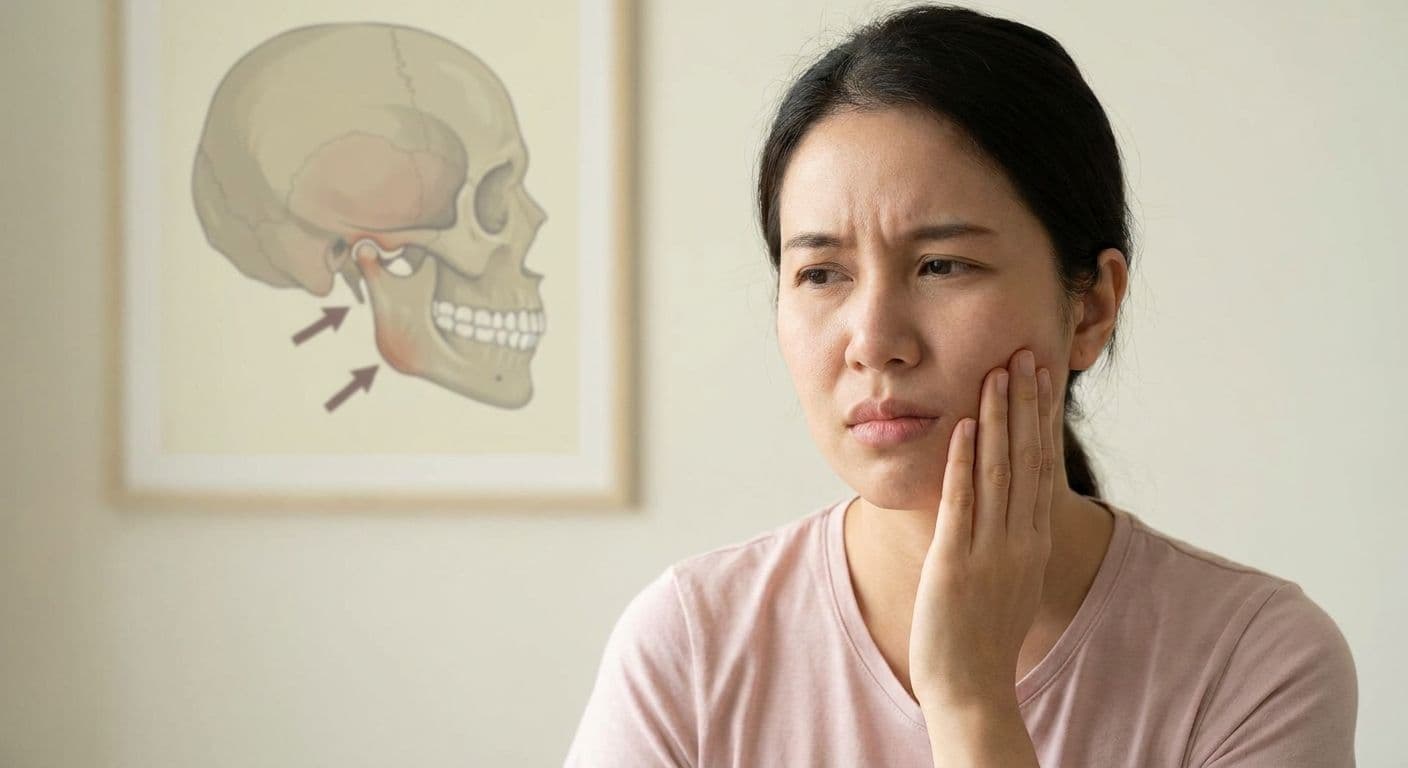

Jaw Pain and Clicking: A Patient's Guide to Understanding and Managing Temporomandibular Joint (TMJ) Disorders
Do you suffer from persistent jaw pain, or hear a clicking sound when you open or close your mouth? These symptoms might indicate a temporomandibular joint (TMJ) disorder. These problems are common and can significantly affect your daily quality of life. This guide aims to provide you with a comprehensive understanding of these disorders, how to identify them, and the most important available TMJ disorder treatment options.
What is the Temporomandibular Joint (TMJ)?
The Temporomandibular Joint, or TMJ for short, is the joint that connects your lower jaw to your skull directly in front of your ears. It is one of the most frequently used joints in the human body, playing a vital role in speaking, chewing, and yawning. When this joint functions correctly, it allows for smooth jaw movement. However, when there is a problem with this joint or the surrounding muscles, it can lead to a range of painful and bothersome symptoms known as temporomandibular joint disorders.
Common Symptoms of TMJ Disorders
The symptoms of TMJ disorders vary and may differ from person to person, but the most common include:
- Pain in or around the jaw: Pain is often concentrated in the ear, face, or neck area.
- Clicking or popping sound: You may hear or feel a clicking or popping sound when opening or closing your mouth, or when chewing.
- Difficulty chewing or pain when chewing: Eating may become painful or difficult.
- Headache or earache: Jaw pain can spread to the head or ears, causing headaches or a feeling of fullness in the ear.
- Jaw stiffness or difficulty opening the mouth completely: You may feel that your jaw is stiff or "locked."
- A change in the way the upper and lower teeth fit together.
Causes of TMJ Disorders
There is no single cause for TMJ disorders, and they are often the result of a combination of factors. Common causes include:
- Teeth grinding or clenching (Bruxism): This involuntary action usually occurs during sleep, placing significant pressure on the joint.
- Stress and tension: Stress can lead to tightening of facial and jaw muscles, exacerbating symptoms.
- Arthritis: Various types of arthritis, such as rheumatoid arthritis or osteoarthritis, can affect the TMJ.
- Jaw or face injury: Any direct blow or injury to the jaw, head, or neck can cause a joint disorder.
- Misalignment of the disc within the joint: The cartilaginous disc that acts as a cushion between the joint bones may slip out of place.
Diagnosis
To diagnose a TMJ disorder, your doctor or dentist will perform a comprehensive examination. This typically includes:
- Listening to the jaw sound and feeling the joint as it moves.
- Checking the range of jaw motion and identifying areas of pain.
- The doctor may also request imaging tests such as X-rays, Magnetic Resonance Imaging (MRI), or Computed Tomography (CT) scans to get a clearer view of the joint, bones, and surrounding soft tissues.
TMJ Disorder Treatment
The goal of TMJ disorder treatment is to relieve pain and restore normal jaw function. Treatments often begin with conservative, non-surgical methods:
- Pain relievers and anti-inflammatories: Over-the-counter medications like ibuprofen can help relieve pain and inflammation. The doctor may prescribe stronger pain relievers or muscle relaxants in some cases.
- Mouthguards or splints: These custom-made devices fit over your teeth and help prevent teeth grinding or clenching, relieving pressure on the joint.
- Physical therapy: Specific jaw exercises and massage techniques can help strengthen muscles, improve range of motion, and relieve pain.
- Stress management: Relaxation techniques, such as meditation and yoga, can reduce stress that contributes to jaw muscle tension.
- Diet modification: Eating soft foods and avoiding hard or chewy foods can reduce jaw strain.
- Avoiding bad habits: Such as nail-biting, gum chewing, or opening the mouth too wide.
If conservative treatments are not effective, the doctor may suggest more advanced options:
- Corticosteroid or Botox injections: These injections can help reduce inflammation and pain or relax jaw muscles.
- Arthrocentesis: A simple procedure involving inserting small needles into the joint to wash it and remove any debris or inflammatory products.
- Surgery: In rare and severe cases, when all other treatments fail, surgery may be necessary to repair or replace the joint.
When to Consult a Doctor?
If you experience persistent jaw pain, difficulty moving your jaw, or clicking accompanied by pain, it is important to consult your dentist or general practitioner. They can assess your condition and refer you to the appropriate specialist, whether it's an oral and maxillofacial specialist or a physical therapist.
Conclusion
Temporomandibular joint disorders can be painful and bothersome, but with proper diagnosis and appropriate TMJ disorder treatment, most people can find significant relief and improve their quality of life. Do not hesitate to seek medical help if you suspect you are suffering from this condition. Remember that a good understanding of your condition and adherence to the recommended treatment plan are key to recovery.

Author
diva dent clinics
Related Posts

Is Vaping Harmful to Your Teeth? Understanding the Hidden Effects of E-cigarettes on Your Oral Health
Read More
The Sun Vitamin: Impact of Vitamin D Deficiency on Your Teeth
Read More
Safe Arabic Sweets: A Guide to Preventing Tooth Decay
Read More
Bottled Water and Your Dental Health: Do You Need Extra Fluoride?
Read More




Your first step towards a healthier smile
Book your appointment with the Diva Dent Clinics team and enjoy specialist care with a treatment plan tailored to your needs in a comfortable, refined setting.
- Specialist team
- Flexible appointments
- Personalized care