


Articles for your dental health


Bone Graft for Dental Implants: Procedure & Recovery
Learn about bone graft for dental implants, materials used to boost jaw density, and essential post-op care tips for successful healing.
Share via:


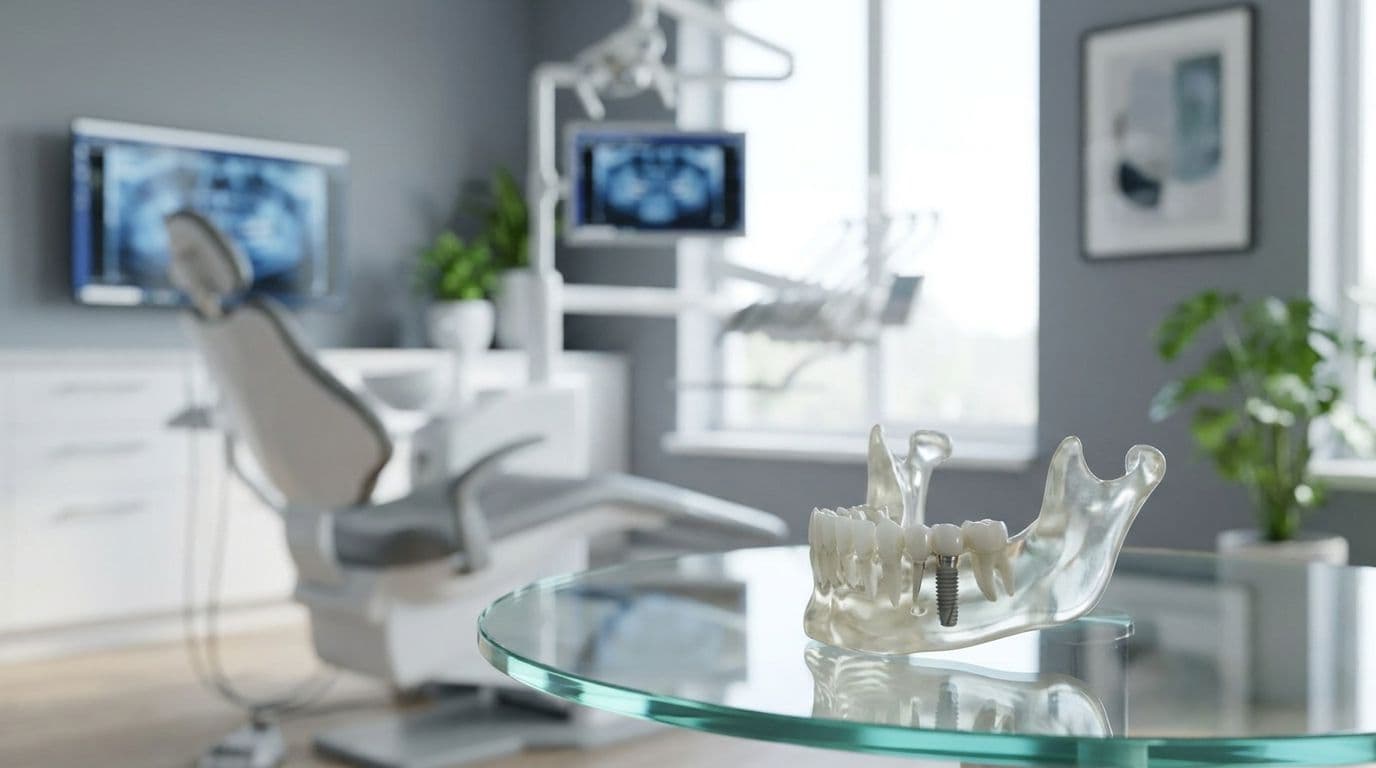

Some patients require a bone graft for dental implants when the jawbone is not thick enough or is too soft to support and anchor the implant [1]. At Diva Dent Clinics, our dental implants service offers advanced solutions to replace missing teeth with permanent implants that provide a natural appearance, greater comfort, and reliable long-term function. Missing teeth lead to rapid bone resorption in the jaw, and metal implants require a solid, stable base to withstand powerful chewing forces and avoid treatment failure [1] [2].
Key takeaways
- Bone grafting aims to provide a solid, dense foundation to anchor the implant in the jaw when there is a deficiency in bone thickness or density [1].
- Tooth loss causes surrounding bone to erode and shrink, and implants help prevent jaw shrinkage while preserving adjacent teeth [2].
- Bone sources include natural material taken from the patient's body, a human donor, animal sources, or synthetic substitutes [1].
- Growing new bone can take several months before the final tooth can be placed [1].
- Smoking and certain chronic health conditions, such as uncontrolled diabetes, affect bone recovery speed and healing success [1] [2].
Indications for a bone graft for dental implants
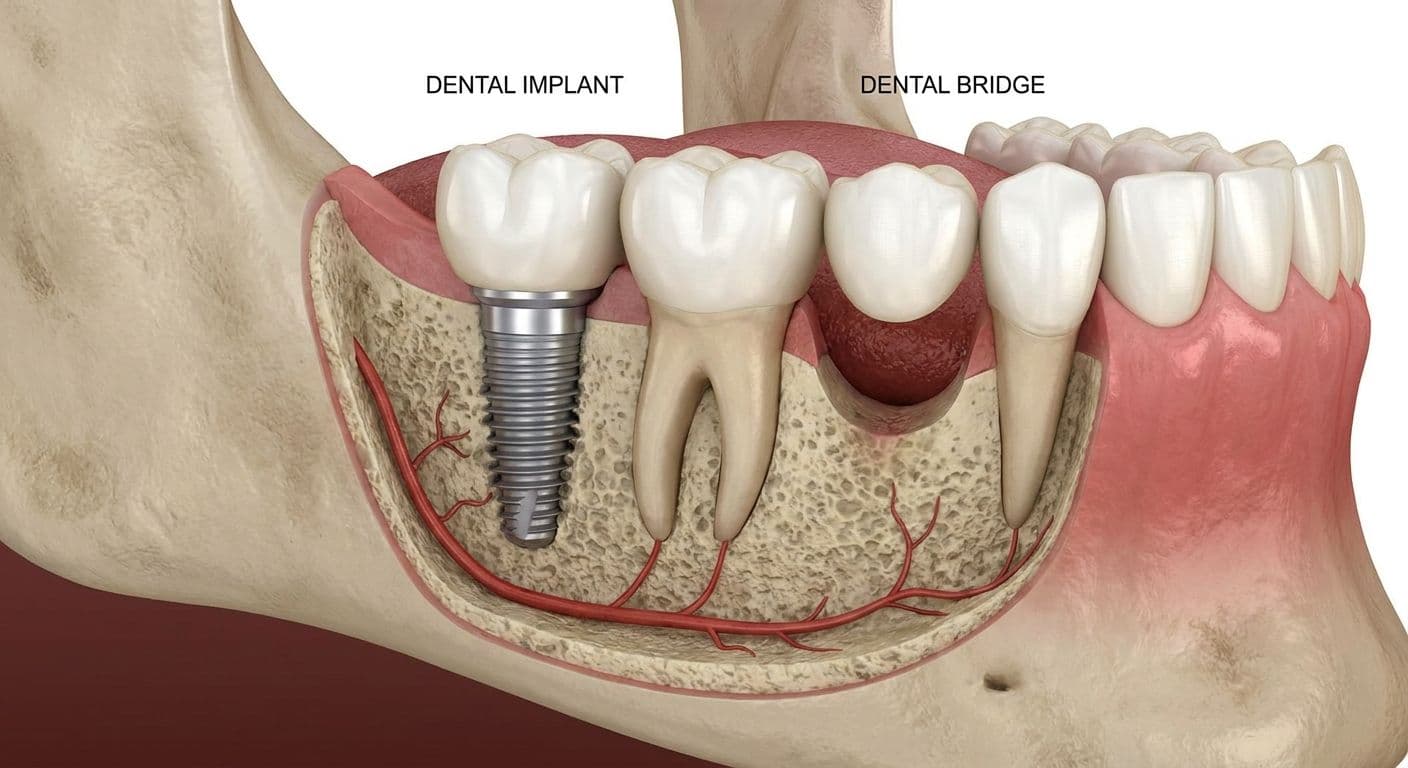
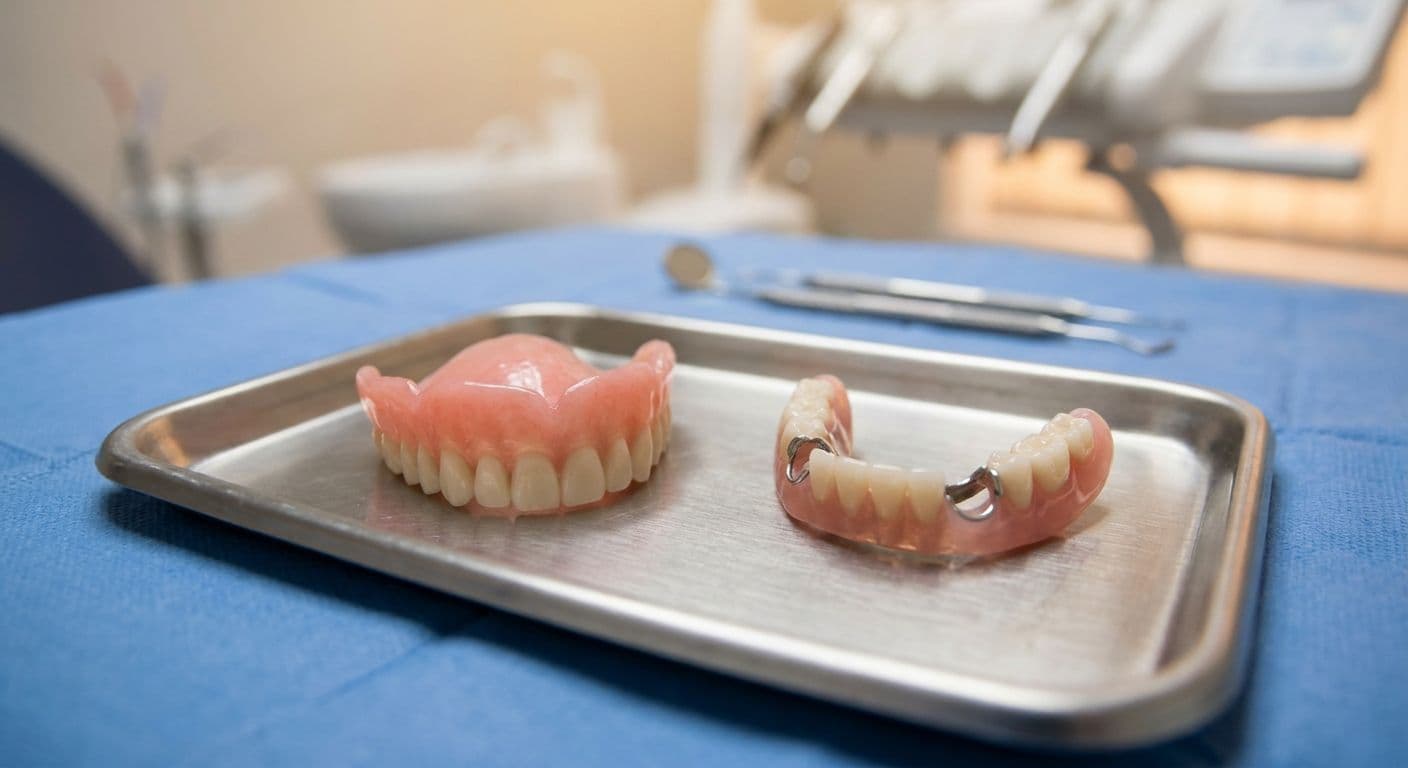
Jawbones are subjected to tremendous pressure during chewing and daily oral functions [1]. If the bone cannot withstand this pressure and provide adequate support for the titanium implant, the procedure may fail [1]. When teeth are lost due to injury or disease, the supporting bone in the area begins to rapidly recede and shrink over time [2]. Replacing teeth with implants helps preserve the health of surrounding bone and gums while preventing jaw atrophy [2]. In contrast, restorative options such as dental bridges or dental implants: which is better? provide various solutions, but replacing the missing root with a solid bone foundation ensures the stability of adjacent natural teeth and prevents them from shifting [2].
Types of materials used in jawbone grafting
The materials used in jawbone grafting vary according to each patient's clinical situation to build a solid bone foundation [1]. These options include using natural bone harvested from another site within the patient's body, often a small portion taken from the upper or lower jaw [1]. Other options involve using bone tissue from a human donor or materials derived from animal sources [1]. Synthetic bone substitutes are also available, acting as a supportive scaffold to stimulate the growth of new natural bone around them [1]. The treating physician determines the most appropriate material based on the extent of bone loss and individual circumstances [1].
Candidacy criteria and factors affecting bone healing
A patient is a good candidate for treatment if their jawbones are fully developed and they have good general health with healthy oral tissues [1]. Overall health is a more critical factor than patient age in determining procedural suitability [3]. Certain chronic conditions, such as uncontrolled diabetes or leukemia, can adversely affect the body's ability to heal bone and tissue [2] [3]. Tobacco use and smoking slow down tissue healing and increase the likelihood of complications or implant failure [1] [2]. During surgical planning, sedation and anxiety-management options can be discussed to identify the most suitable approach; for more details, consult the dental anesthesia guide: overcoming fear as suggested by the medical team [1].
Potential side effects and surgical risks
The postoperative phase involves common and expected symptoms, such as swelling of the gums and face, bruising of the skin and gums, localized surgical site pain, and minor bleeding [1]. Potential surgical risks include infection at the implant site or damage to adjacent natural teeth and blood vessels [1] [2]. In rare cases, nerve damage can cause pain, numbness, or tingling in natural teeth, lips, gums, or the chin [1]. Sinus problems may arise if implants placed in the upper jaw protrude into one of the sinus cavities [1] [2]. Medical technicians must also be informed of metal implants prior to any MRI scans, as they can affect image accuracy [2].
Care guidelines and post-procedure recovery
The success of dental implants relies on osseointegration, a process in which the jawbone grows and fuses directly to the implant surface to provide strong support [1] [3]. New bone growth and full integration can take several months after grafting [1]. During the recovery period, doctors recommend eating a diet of soft foods, cold items, and warm soups to protect healing tissues [1] [3]. Dissolvable sutures are typically used, or the doctor will remove them during a follow-up visit [1]. Once the abutment is placed on the implant, the gums require a healing period of at least two weeks before the final artificial teeth can be fitted [1]. Maintaining clean teeth and implants with specialized brushes, along with routine follow-ups with the doctor, is essential to sustain the stability and health of surrounding bone and gums [1] [2].
Frequently asked questions
Can bone grafting and implant placement be done in the same visit?
Yes, if the bone deficiency is minor, the treating doctor can perform minor bone grafting during the same visit as implant placement. In cases of significant bone loss, it takes several months for the bone to grow first [1].
How long does it take for the jawbone to grow and integrate after grafting?
Growing new bone may take several months to create a solid foundation capable of supporting an implant, and the osseointegration phase continues for several additional months to ensure implant stability before attaching the artificial tooth [1] [3].
What happens if the jawbone fails to heal around the implant?
If the bone fails to integrate sufficiently with the implant, the implant is removed and the bone area is thoroughly cleaned; the procedure can then be reattempted after about three months [1].
Does diabetes affect the success of bone grafting and implants?
Chronic conditions such as uncontrolled diabetes can delay tissue healing and increase the risk of localized or systemic infection, potentially increasing the risk of implant failure in the jaw [2] [3].
To accurately assess your jawbone condition and determine the most suitable procedures to safely replace your missing teeth, we invite you to visit Diva Dent Clinics and book your consultation directly through the following link: book
Sources
This article is for general health education and does not replace an examination and consultation with a dentist.

Author
Dr. Ahmed Taher






Your first step towards a healthier smile
Book your appointment with the Diva Dent Clinics team and enjoy specialist care with a treatment plan tailored to your needs in a comfortable, refined setting.
- Specialist team
- Flexible appointments
- Personalized care