


Articles for your dental health


Longer Teeth? Causes and Treatment of Gum Recession
Do your teeth appear longer? Discover the underlying causes of gum recession and how to effectively treat it to maintain your oral health and smile.
Share via:



Do You Notice Longer Teeth? Your Comprehensive Guide to the Causes and Treatment of Gum Recession
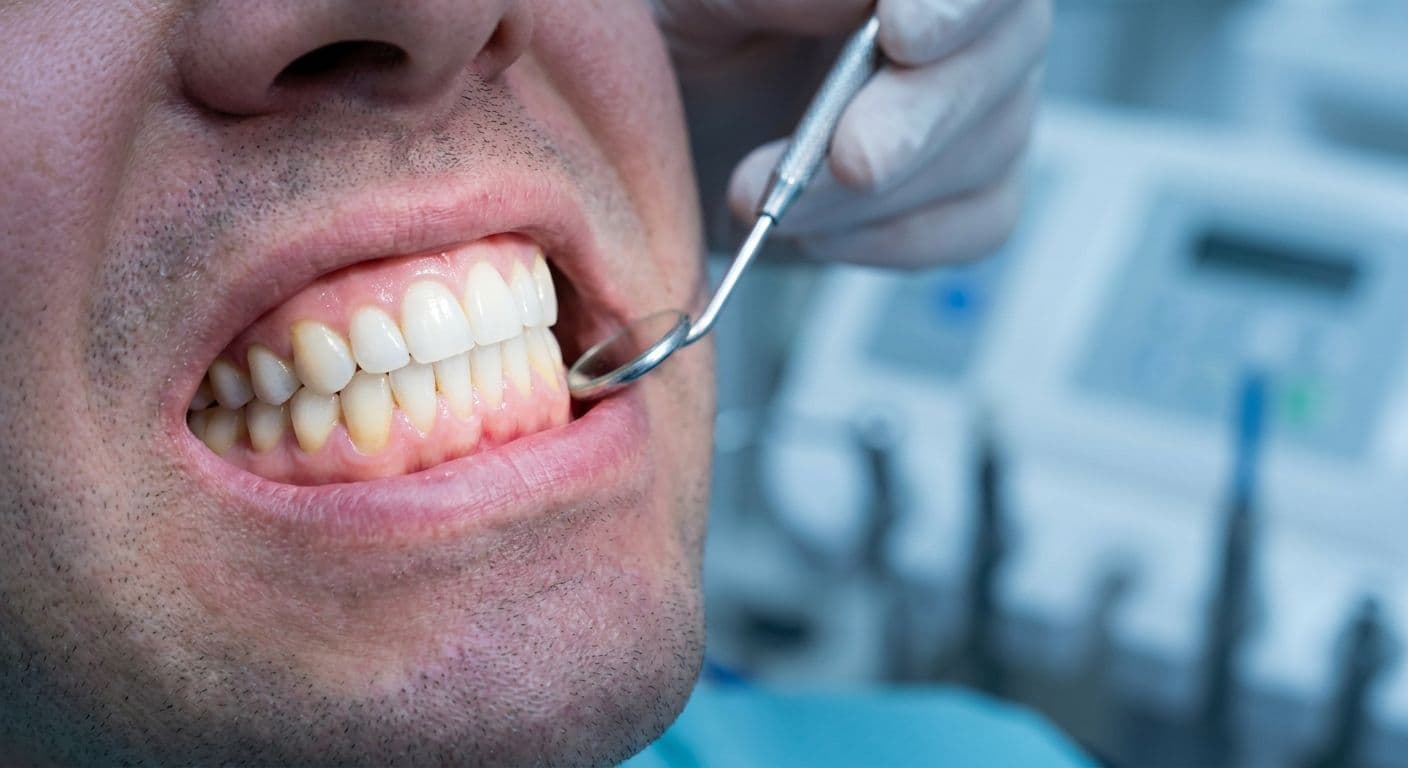
Have you started to notice that your teeth appear longer than usual? Do you feel increased sensitivity when consuming cold or hot foods? These might be signs of a common problem known as gum recession. Gum recession occurs when the edge of the gum tissue surrounding the teeth pulls back, exposing more of the tooth's root. This condition not only affects the aesthetics of your smile but can also lead to serious health problems if left untreated, such as root decay and tooth loss. Fortunately, there are many available gum recession treatment options that can help restore your oral health and the beauty of your smile.
Causes of Gum Recession
Understanding the underlying causes of gum recession is the first step towards effective prevention and treatment. These causes are numerous and include:
- Brushing teeth too aggressively: Using a hard-bristled toothbrush or brushing too forcefully can lead to enamel erosion and damage to the delicate gum tissue.
- Poor oral hygiene: Not brushing regularly or flossing leads to the accumulation of plaque and tartar. Plaque contains bacteria that cause gingivitis, and over time, this inflammation can develop into gum recession.
- Gum disease (Periodontitis): This is the most common cause of gum recession. These bacterial infections destroy the tissues and bone that support the teeth, leading to gum recession.
- Genetic factors: Some people have a genetic predisposition to gum recession, regardless of how well they care for their teeth.
- Hormonal changes: Changes in hormone levels in women during puberty, pregnancy, and menopause can make gums more sensitive and prone to recession.
- Smoking and tobacco products: Smokers are more susceptible to gum disease and recession. Smoking weakens the immune system and makes it harder for gums to heal.
- Teeth grinding or clenching (Bruxism): Excessive pressure on the teeth can lead to tooth wear and gum recession.
- Misaligned teeth or malocclusion: When teeth do not fit together properly, it can lead to excessive pressure on certain areas of the gums and bone, causing recession.
- Lip or tongue piercings: Jewelry in these piercings can rub against the gums, causing irritation and gradual erosion.
Gum Recession Treatment Options
Gum recession treatment depends on the severity of the condition and its underlying cause. It is important to consult a dentist to determine the best treatment plan for you.
Non-Surgical Treatments:
- Improved oral hygiene: In mild cases, adjusting oral hygiene habits may be sufficient. This includes using a soft-bristled toothbrush, brushing gently with circular motions, and flossing regularly.
- Deep cleaning (Scaling and Root Planing): The dentist removes accumulated plaque and tartar from below the gum line and on the root surfaces. Root planing helps smooth the root surface, making it harder for bacteria to adhere and helping the gums reattach to the tooth.
- Antibiotics: The dentist may prescribe topical (such as mouthwash or gel) or oral antibiotics to control bacterial infection.
Surgical Treatments:
When gum recession is severe and cannot be treated with non-surgical methods, the dentist may recommend a surgical procedure:
- Gum Grafting: This procedure is the most common treatment for gum recession. It involves taking a small piece of tissue from another part of your mouth (usually from the roof of the mouth) or using a synthetic graft material, and transplanting it to the area where the gum has receded. There are three main types:
- Connective tissue graft: The most common, where tissue is taken from under the skin layer on the roof of the mouth.
- Free gingival graft: A small amount of tissue is taken directly from the roof of the mouth.
- Pedicle graft: The gum is pulled from an adjacent tooth to cover the exposed area.
- Pocket Reduction Surgery: If deep pockets have formed between the teeth and gums, the dentist lifts the gum tissue, removes bacteria, and then securely repositions the gum around the tooth to reduce pocket depth.
- Regeneration: In cases where bone and supporting tissues of the teeth have been lost due to gum recession, the dentist may use special biological materials (such as membranes, tissue-stimulating proteins, or bone grafts) to stimulate the growth of new bone and gum tissue.
Preventing Gum Recession
Prevention is better than cure. By following these tips, you can reduce your risk of gum recession:
- Maintain excellent oral hygiene: Brush your teeth twice daily with a soft-bristled toothbrush and floss once daily. Make sure to use the correct brushing technique.
- Make regular dental visits: Regular check-ups and cleanings (every 6 months) are essential for early detection and treatment of any problems.
- Quit smoking: If you are a smoker, quitting will significantly improve your gum health.
- Address teeth grinding: If you suffer from teeth grinding, talk to your dentist about using a night guard.
- Follow a healthy diet: Eating foods rich in vitamins and minerals supports overall gum health.
Conclusion
Gum recession is a common but treatable problem. Do not ignore warning signs such as teeth that appear longer or increased sensitivity. Early detection and prompt intervention can prevent the condition from worsening and preserve the health of your smile. Consult your dentist immediately to discuss the best gum recession treatment options available to you and to maintain your oral health for life.

Author
diva dent clinics
Related Posts

Jaw Pain and Clicking: A Patient's Guide to Understanding and Managing TMJ Disorders
Read More
Is Vaping Harmful to Your Teeth? Understanding the Hidden Effects of E-cigarettes on Your Oral Health
Read More
The Sun Vitamin: Impact of Vitamin D Deficiency on Your Teeth
Read More
Safe Arabic Sweets: A Guide to Preventing Tooth Decay
Read More




Your first step towards a healthier smile
Book your appointment with the Diva Dent Clinics team and enjoy specialist care with a treatment plan tailored to your needs in a comfortable, refined setting.
- Specialist team
- Flexible appointments
- Personalized care