


Articles for your dental health


Dry Mouth: Causes, Treatment, and Impact on Teeth
Do you suffer from dry mouth? Discover its common causes, impact on dental health, and effective treatments to maintain a healthy smile.
Share via:


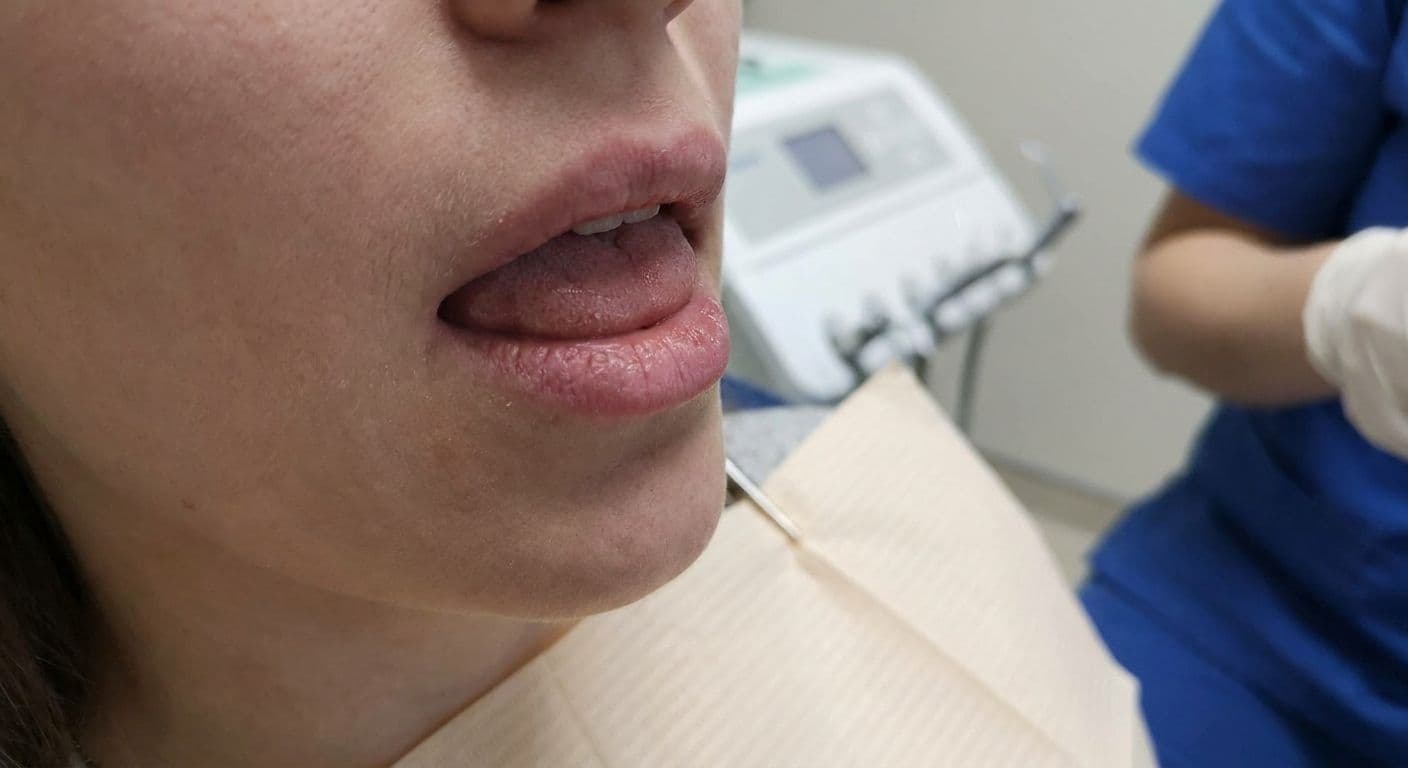

Do you suffer from dry mouth? Understanding its Causes, Treatment, and Impact on Your Dental Health
Dry mouth, medically known as "Xerostomia," is a common condition that occurs when the salivary glands do not produce enough saliva to keep the mouth moist. It might seem like a minor annoyance, but it significantly affects your quality of life and the health of your mouth and teeth. In this article, we will delve into the causes and treatment of dry mouth, how this condition can negatively impact your dental health, and provide practical tips for managing it.
What is Dry Mouth?
Saliva is not just a moisturizing liquid; it's your mouth's first line of defense. It contains enzymes that aid in digestion, antibacterial agents that protect against infection, and minerals that strengthen tooth enamel. When saliva production decreases, the mouth becomes dry, leading to discomfort and symptoms such as:
- A sticky or dry feeling in the mouth.
- Difficulty swallowing, speaking, or chewing.
- Sore throat or hoarseness.
- Cracked lips and bad breath.
Common Causes of Dry Mouth
The underlying causes of dry mouth are numerous, including:
- Medications: The most common cause, including antihistamines, antidepressants, diuretics, and blood pressure medications.
- Diseases and Medical Conditions: Such as Sjögren's syndrome, diabetes, Alzheimer's disease, and stroke.
- Cancer Treatments: Radiation therapy to the head and neck, and chemotherapy.
- Nerve Damage: Resulting from injury or surgery in the head and neck area.
- Dehydration: Not drinking enough water.
- Lifestyle Factors: Smoking, alcohol consumption, and excessive caffeine intake.
- Mouth Breathing: Especially during sleep.
- Aging: Older adults are more prone to taking multiple medications that cause dry mouth.
Impact of Dry Mouth on Your Dental Health
Saliva plays a vital role in maintaining oral and dental health. When saliva is reduced, your teeth and mouth become more susceptible to the following problems:
- Tooth Decay: Saliva washes away food particles and neutralizes acids. Without it, the risk of tooth decay significantly increases, especially at the gum line.
- Gum Disease: Lack of saliva leads to plaque buildup and the development of gingivitis and periodontal diseases.
- Oral Infections: Saliva contains antibacterial and antifungal substances. Without it, the mouth becomes a fertile environment for the growth of harmful microorganisms, such as oral candidiasis.
- Bad Breath: Insufficient saliva to wash away bacteria and food particles causes persistent bad breath.
- Difficulty Wearing Dentures: Dry mouth makes wearing dentures uncomfortable and causes sores.
Treating and Preventing Dry Mouth
Treating dry mouth largely depends on its underlying cause. Here are some strategies to help alleviate symptoms and protect your oral health:
- Consult your doctor: If medications are the cause, talk to your doctor about adjusting the dose or changing the medication.
- Drink water regularly: Stay hydrated by sipping small amounts of water throughout the day.
- Use saliva substitutes: Saliva substitute sprays, mouthwashes, and gels are available to provide temporary moisture.
- Stimulate saliva production: Chew sugar-free gum or suck on sugar-free hard candies. Your doctor may prescribe medications to stimulate saliva.
- Avoid irritants: Reduce caffeine and alcohol intake, and stop smoking.
- Use a humidifier: Especially while sleeping.
- Maintain good oral hygiene:
- Brush your teeth twice daily with fluoride toothpaste.
- Floss daily.
- Use an alcohol-free mouthwash.
- Regular dental visits: Essential for early detection and treatment of any problems.
Conclusion
Dry mouth is not just a fleeting annoyance; it's a condition that can significantly impact your oral health and quality of life. By understanding the causes and treatment of dry mouth and taking proactive steps to manage it, you can protect your teeth and gums and maintain a healthy smile. Do not hesitate to consult your dentist or general practitioner if you experience persistent dry mouth, to get the correct diagnosis and appropriate treatment plan.

Author
diva dent clinics
Related Posts
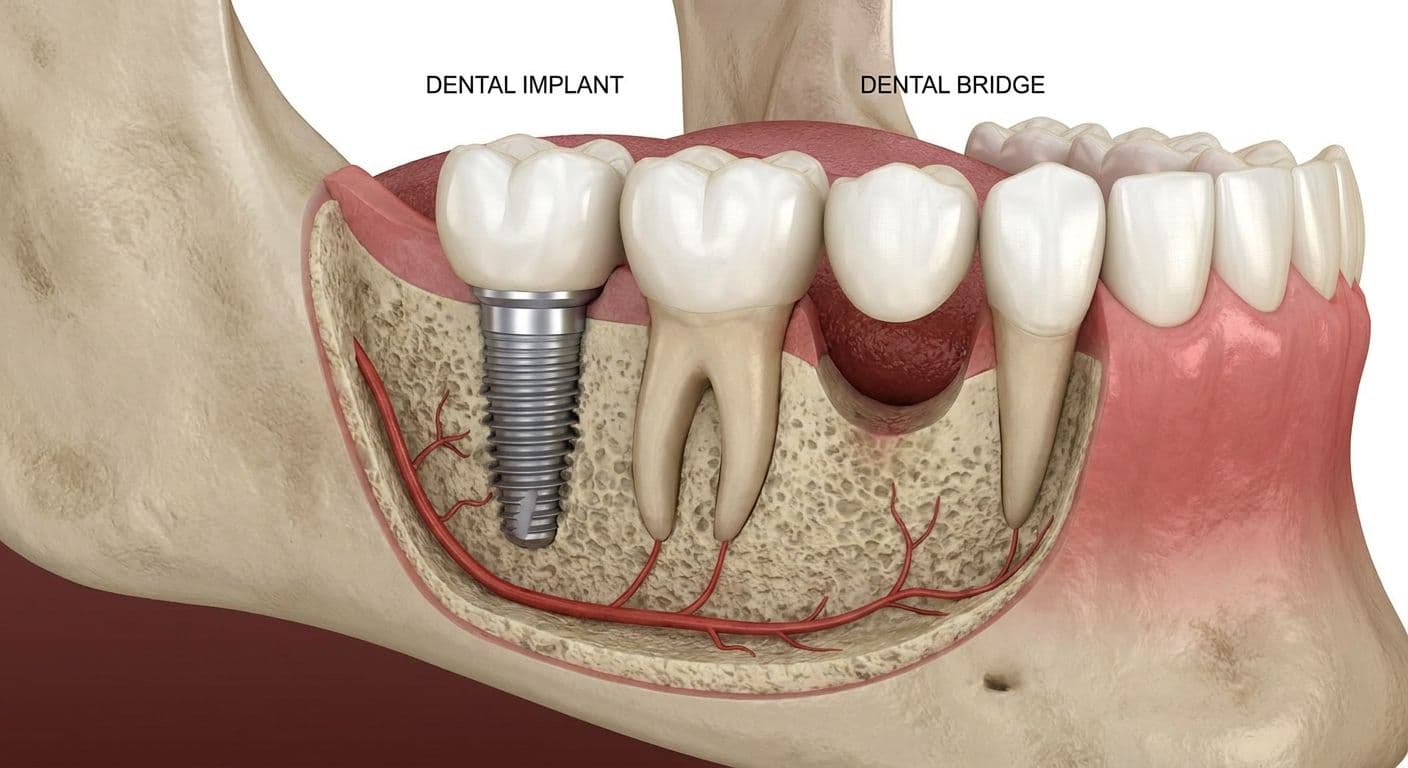
Dental Bridges or Dental Implants: Which is Better?
Read More
Longer Teeth? Causes and Treatment of Gum Recession
Read More
Jaw Pain and Clicking: A Patient's Guide to Understanding and Managing TMJ Disorders
Read More
Is Vaping Harmful to Your Teeth? Understanding the Hidden Effects of E-cigarettes on Your Oral Health
Read More




Your first step towards a healthier smile
Book your appointment with the Diva Dent Clinics team and enjoy specialist care with a treatment plan tailored to your needs in a comfortable, refined setting.
- Specialist team
- Flexible appointments
- Personalized care