

Articles for your dental health


Guide to Crossbite Correction and Causes
Learn about the causes and complications of crossbite, along with the latest medical options and techniques used to correct dental occlusion effectively.
Share via:



Crossbite Correction: Causes, Complications, and the Latest Treatment Methods
Oral and dental health is a fundamental pillar that goes beyond mere aesthetic appearance; it extends to impact vital bodily functions such as speech and chewing. Among the most common orthodontic issues is a "crossbite," a medical condition that causes noticeable functional and aesthetic imbalances. Crossbite correction is an urgent necessity to prevent the development of structural jaw problems and to ensure a balanced, healthy smile that lasts a lifetime.
What Is a Crossbite and What Are Its Types?
Under normal conditions, the upper teeth bite outside the lower teeth, sitting slightly in front of them anteriorly and overlapping them laterally. However, in the case of a crossbite, the exact opposite occurs: the upper teeth sit behind or inside the lower teeth. This condition is generally classified into two types:
- Posterior Crossbite: Occurs when the upper molars bite inside the lower molars on one or both sides, and is often associated with a narrow upper jaw.
- Anterior Crossbite: Resembles an underbite, where the upper front teeth sit behind the lower front teeth.
Causes of a Crossbite
A crossbite develops due to an interplay of several genetic and environmental factors, most notably:
- Genetic Factors: Jaw size and familial genetics play a major role, such as an inherited small upper jaw or an excessively large lower jaw.
- Harmful Oral Habits: Such as prolonged thumb-sucking in childhood, extended pacifier use, or tongue thrusting during swallowing.
- Chronic Mouth Breathing: Obstruction of the nasal airway and subsequent mouth breathing cause the tongue to drop downward, depriving the upper jaw of natural structural support and leading to its narrowing.
- Early or Delayed Tooth Loss: Premature loss or delayed shedding of baby teeth alters the eruption path of permanent teeth, causing them to emerge at improper angles.
Complications of Neglecting Crossbite Treatment
Some may believe the issue is solely aesthetic; however, neglecting crossbite correction leads to long-term health complications:
- Uneven Tooth Wear: Severe and continuous friction causes enamel wear, predisposing the teeth to sensitivity and fractures.
- Gum Recession and Inflammation: Improper bite pressure leads to gum recession around affected teeth and weakens the supporting bone.
- Temporomandibular Joint (TMJ) Disorders: An unbalanced bite exerts uneven pressure on the jaw joint, causing neck pain, headaches, and difficulty opening the mouth.
- Facial Asymmetry: Persistent jaw shifting upon closure can lead to permanent distortion of facial symmetry, particularly in growing children.
Modern Crossbite Correction Options
The treatment plan depends on the patient's age, the underlying cause (dental or skeletal), and the complexity of the condition. Key modern treatment options include:
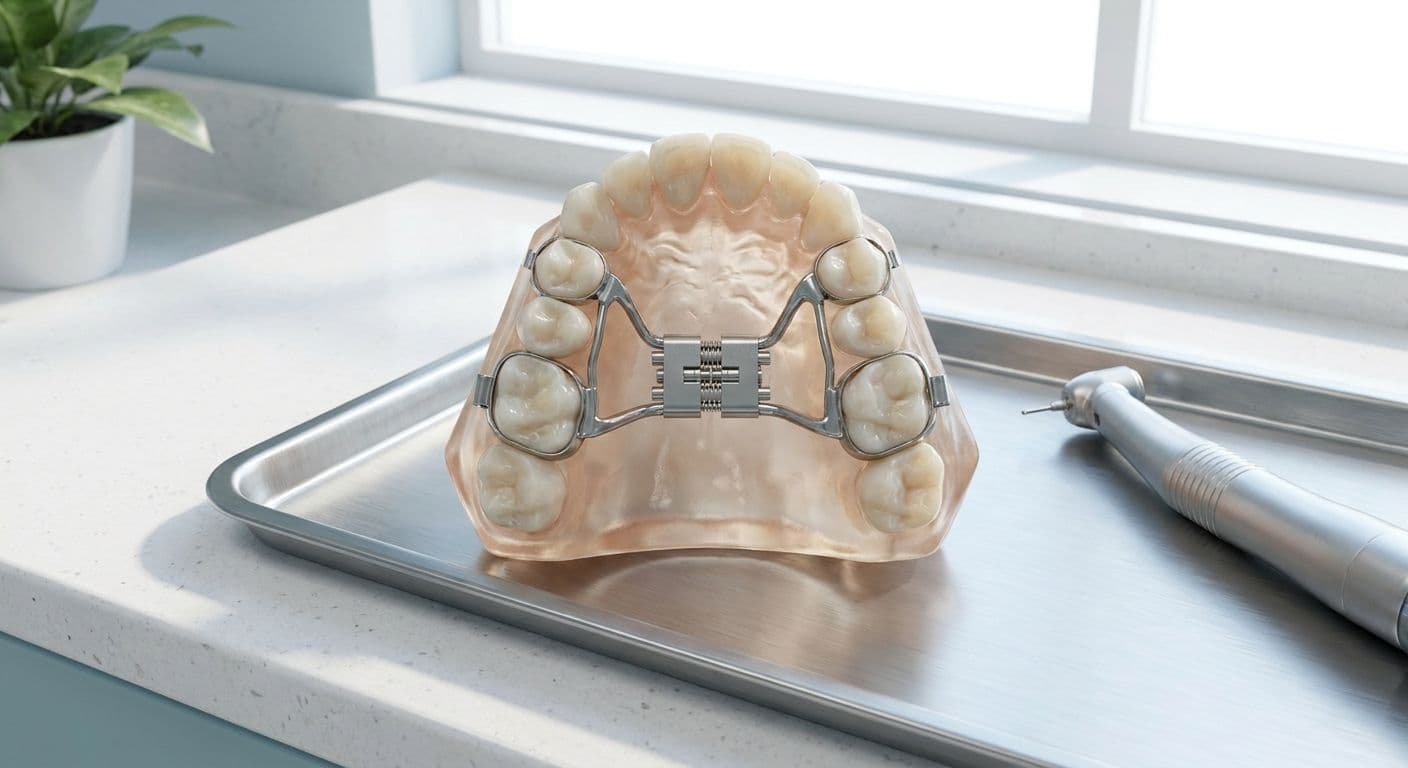
- Palatal Expanders: An ideal treatment for children and adolescents; these fixed or removable appliances gradually widen the upper jaw before the palatal suture fuses.
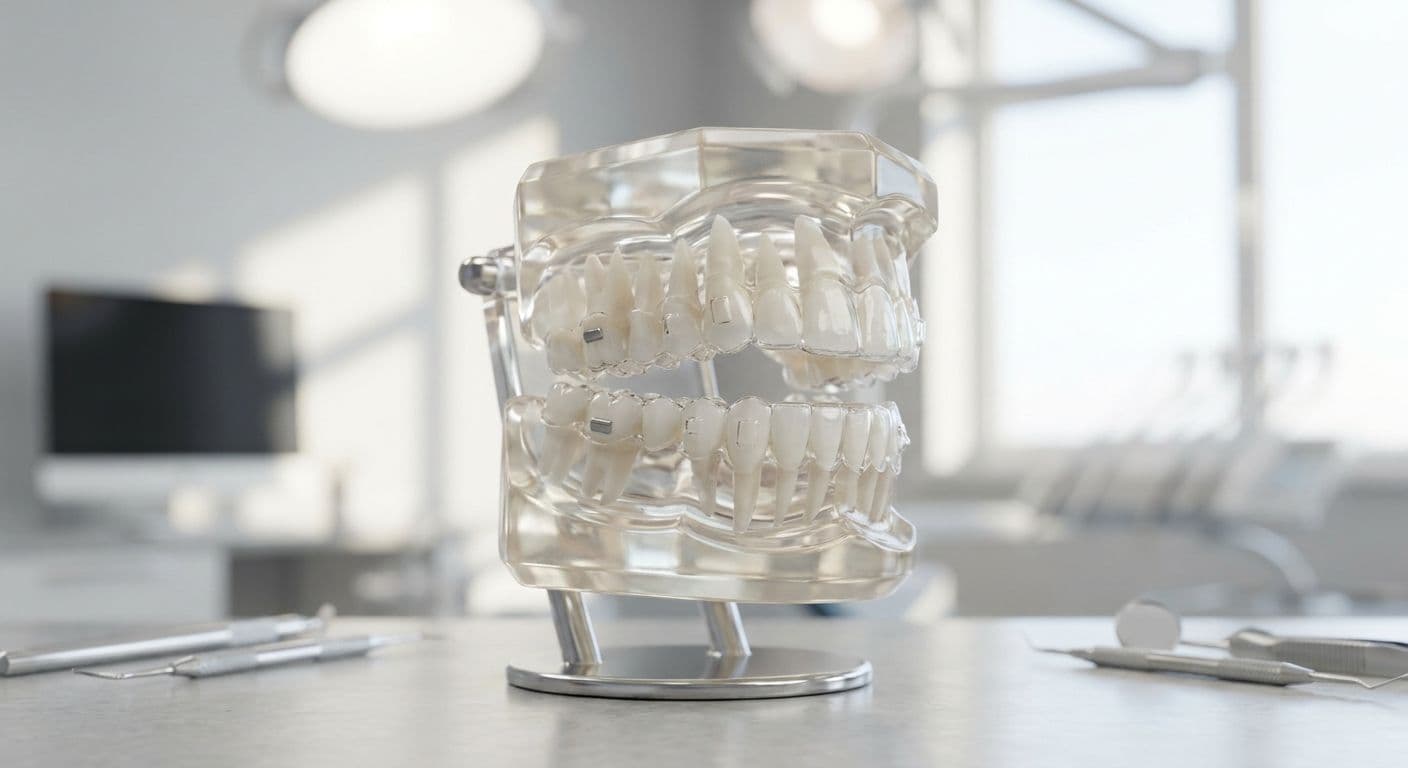
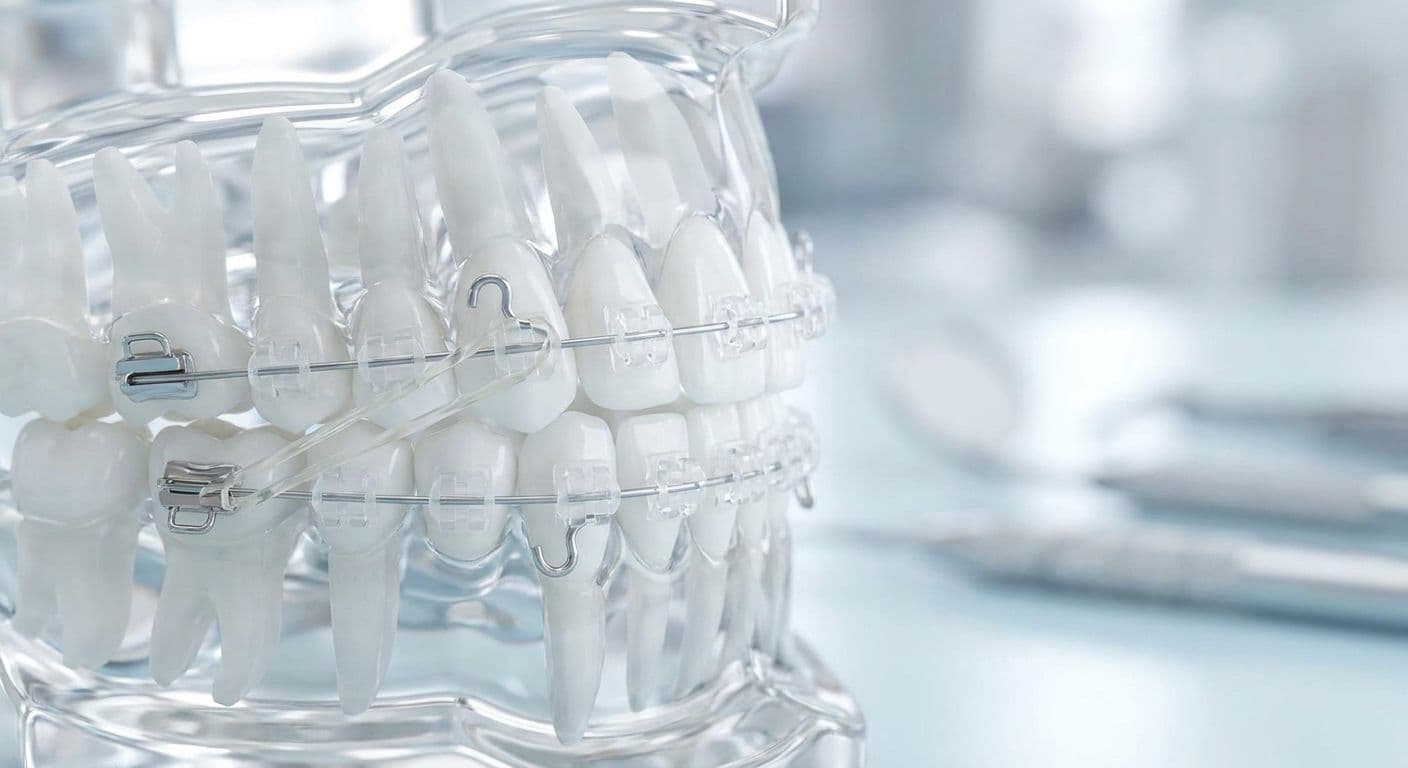
- Metal and Ceramic Braces: Used to move teeth into their proper positions and adjust their inclination, often combined with orthodontic elastics to guide jaw alignment accurately.
- Clear Aligners: An effective and discreet solution for mild to moderate crossbite cases, offering an unnoticeable appearance alongside easy oral hygiene.
- Orthognathic Surgery: For adults whose bone growth is complete and who suffer from severe skeletal discrepancies, corrective jaw surgery becomes necessary in conjunction with orthodontics to realign the jaws.
Tips to Ensure Long-Term Treatment Stability
The success of crossbite correction does not end with removing the braces; it requires adherence to the following guidelines:
- Wearing orthodontic retainers according to the orthodontist's schedule to prevent teeth from relapsing to their previous positions.
- Completely eliminating harmful oral habits such as pen-biting or night teeth grinding (bruxism).
- Maintaining diligent brushing and flossing routines, along with routine dental check-ups every six months.
In conclusion, early intervention is key to avoiding complex surgical procedures in the future. If you or your child suffer from a malocclusion, schedule a consultation with an orthodontist to determine the optimal treatment plan and restore a healthy, radiant smile.

Author
diva dent clinics





Your first step towards a healthier smile
Book your appointment with the Diva Dent Clinics team and enjoy specialist care with a treatment plan tailored to your needs in a comfortable, refined setting.
- Specialist team
- Flexible appointments
- Personalized care