


Articles for your dental health


Morning Jaw Pain? A Guide to Teeth Grinding Treatment
Waking up with jaw pain or a headache? It could be teeth grinding (bruxism). Discover the common causes and best treatments to protect your teeth.
Share via:



Waking Up with Jaw Pain? Your Complete Guide to Understanding and Treating Teeth Grinding
Do you start your day with a nagging headache or sore jaw muscles? Have you noticed your teeth becoming more sensitive or showing signs of wear and tear? If you answered yes, you might be dealing with a common condition known as bruxism, or teeth grinding. This involuntary habit can cause significant damage to your oral health and quality of life, but the good news is that effective solutions are available.
In this guide, we'll cover everything you need to know about teeth grinding, from its causes and symptoms to the most important part: bruxism treatment and how to overcome it.
What is Bruxism (Teeth Grinding)?
Simply put, bruxism is a condition where a person clenches, gnashes, or grinds their teeth. This often happens involuntarily during sleep (sleep bruxism), but it can also occur while awake (awake bruxism), typically in response to stress or deep concentration. The biggest problem lies with sleep bruxism, as you are completely unaware of the tremendous force you're exerting on your teeth and jaw.
What are the Common Causes of Teeth Grinding?
There isn't a single, definitive cause for bruxism; it's usually the result of a combination of physical and psychological factors. Some of the most prominent causes include:
- Stress and Anxiety: This is considered the primary trigger for most adults. Daily psychological stress can translate into muscle tension in the jaw during sleep.
- Sleep Disorders: Bruxism is closely linked to other conditions like sleep apnea and snoring.
- Misaligned Teeth: When the upper and lower teeth don't fit together properly (malocclusion), it can lead to grinding.
- Lifestyle Factors: High consumption of caffeinated beverages, smoking, and alcohol use can increase the likelihood of bruxism.
- Medication Side Effects: Certain antidepressants and other medications can cause teeth grinding as a side effect.
Symptoms You Shouldn't Ignore
You might not even realize you're grinding your teeth, especially if you do it in your sleep. Here are some key warning signs to watch for:
- A dull, constant headache that starts in your temples.
- Soreness or stiffness in the jaw muscles upon waking.
- Teeth that are flattened, fractured, chipped, or worn down.
- Increased tooth sensitivity to hot or cold drinks and foods.
- A grinding or clenching sound that is loud enough to wake your sleeping partner.
- Pain that feels like an earache but is actually coming from the jaw joint (TMJ).
Available Options for Bruxism Treatment
Fortunately, there are many effective strategies to control this condition and protect your teeth. The right bruxism treatment depends on identifying and addressing the underlying cause.
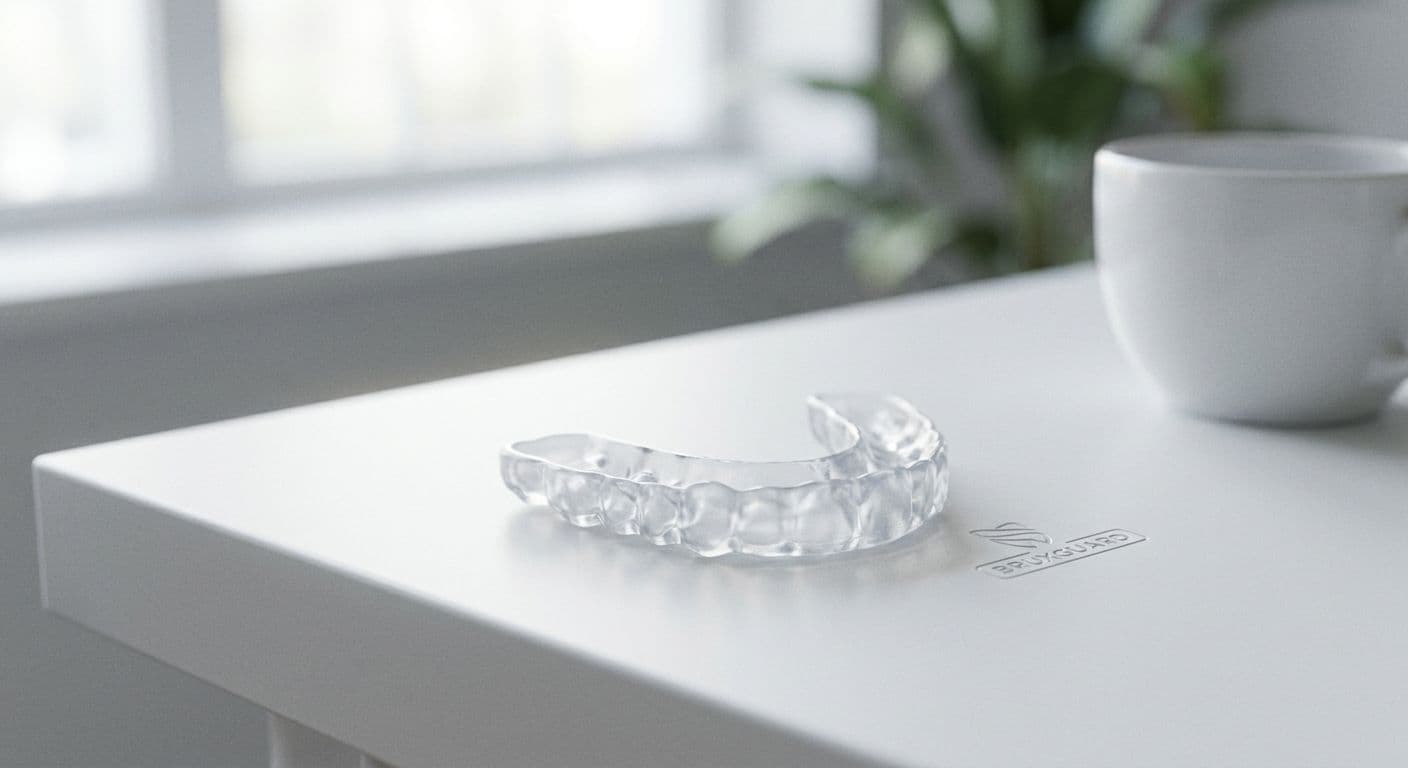
1. Night Guards and Mouth Splints: This is the most common first line of defense. A dentist will create a custom-fitted guard for you to wear while you sleep. Its purpose is to create a physical barrier between your upper and lower teeth, absorbing the force of the grinding and protecting your tooth enamel from further wear.
2. Stress and Anxiety Management: Since stress is a major driver, learning relaxation techniques can make a huge difference. Try incorporating these habits into your routine:
- Meditation and deep breathing exercises before bed to calm your mind and body.
- Regular physical exercise to help alleviate accumulated tension.
- Cognitive Behavioral Therapy (CBT) if anxiety is severe and impacting your daily life.
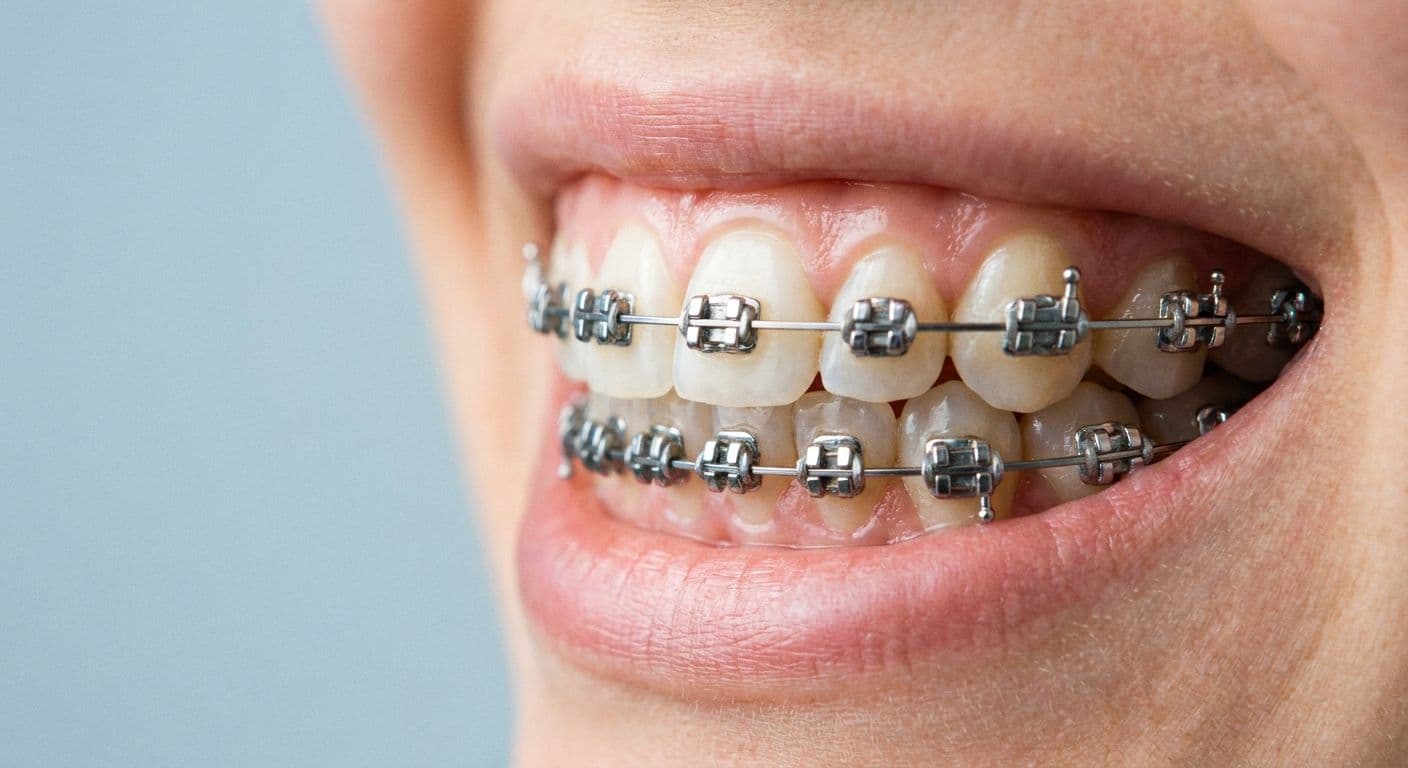
3. Correcting Dental Problems: If a misaligned bite is the root cause, your dentist might suggest solutions such as orthodontics (braces) or reshaping the chewing surfaces of certain teeth to achieve a better, more comfortable bite.
4. Lifestyle Adjustments:
- Avoid Stimulants: Cut back on coffee, tea, and energy drinks, especially in the hours leading up to bedtime.
- Improve Sleep Hygiene: Ensure you get enough quality sleep and stick to a regular sleep schedule.
- Jaw Stretching Exercises: Your dentist or a physical therapist can teach you simple exercises to help relax and stretch your jaw muscles.
When Should You See Your Dentist?
Don't ignore the symptoms. If you suspect you might be grinding your teeth, the first and most important step is to book an appointment with your dentist. Early diagnosis and starting bruxism treatment are key to preventing permanent damage to your teeth and jaw joint. Your dentist is the best person to evaluate your condition and recommend a personalized treatment plan that's right for you.

Author
diva dent clinics






Your first step towards a healthier smile
Book your appointment with the Diva Dent Clinics team and enjoy specialist care with a treatment plan tailored to your needs in a comfortable, refined setting.
- Specialist team
- Flexible appointments
- Personalized care