
Articles for your dental health


Causes of Teeth Shifting After Braces and Their Treatment
Discover why teeth shift after braces, how to treat orthodontic relapse, and how to maintain a straight smile with proper retainer use.
Share via:



Why Are My Teeth Shifting Again? Your Comprehensive Guide to Orthodontic Relapse
After spending months or even years wearing braces or clear aligners, most patients expect to enjoy a straight, perfect smile for the rest of their lives. However, many are surprised when crookedness gradually starts to return, a condition medically known as orthodontic relapse. If you have noticed that your teeth are shifting again, you are not alone; this phenomenon is very common and occurs due to several scientific and natural reasons.
What Is Orthodontic Relapse?
The term orthodontic relapse refers to teeth partially or completely shifting back toward their pre-treatment positions, or moving in undesirable directions. This movement occurs because the supporting tissues and periodontal ligament fibers surrounding the roots of the teeth possess an "elastic memory," causing them to pull back toward their previous position after orthodontic appliances are removed.
Primary Causes of Teeth Shifting After Braces
Multiple factors can lead to relapse, with the most prominent causes including:
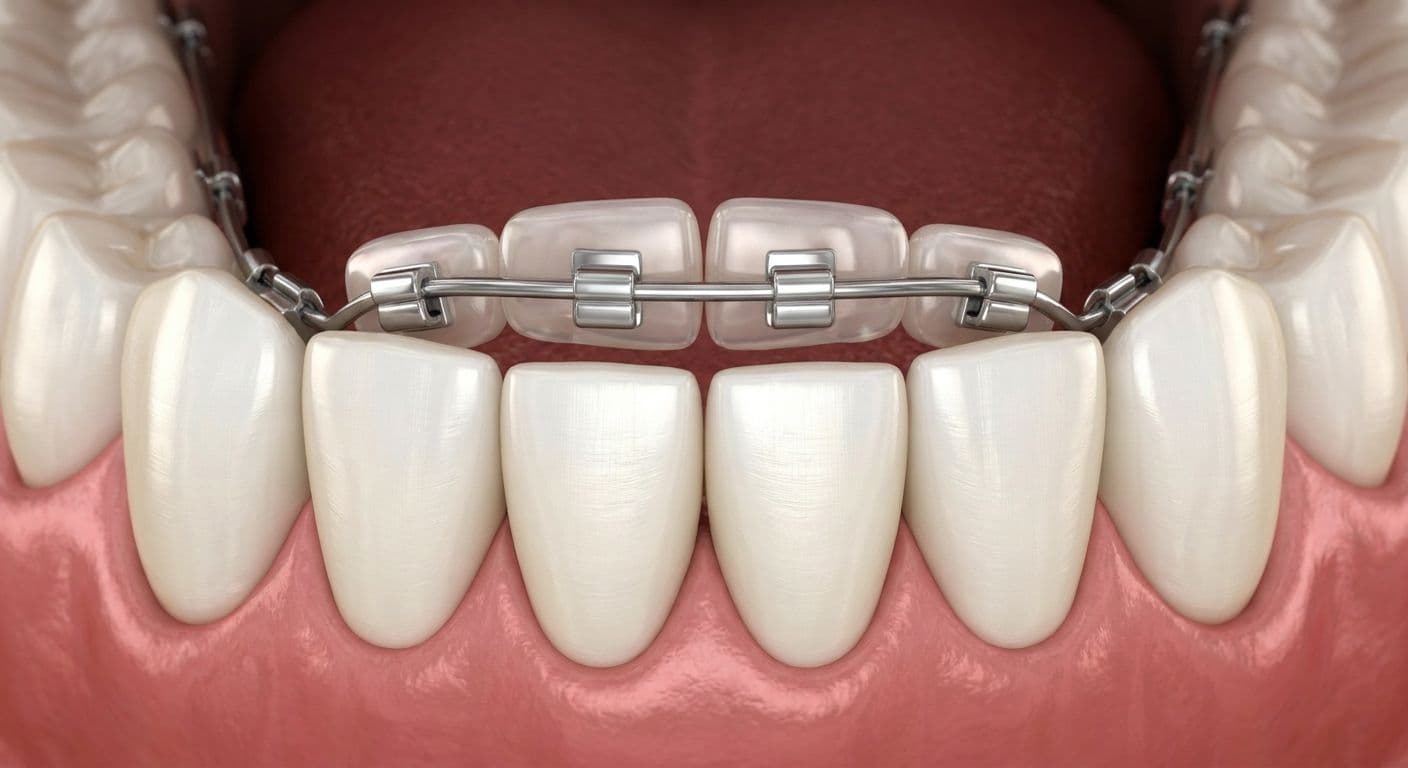
- Neglecting to Wear the Retainer: This is by far the most common cause. The bone and ligaments surrounding the teeth need significant time to remineralize and stabilize; not wearing the retainer as recommended allows teeth the opportunity to drift easily.
- Natural Aging (Physiological Drift): Over the years, the lower jaw naturally narrows, and teeth gradually shift forward and inward. This is a physiological process that affects everyone, even those who have never had braces.
- Teeth Grinding and Clenching (Bruxism): Nighttime clenching generates immense mechanical forces that can loosen teeth and push them out of their corrected alignment.
- Wisdom Teeth Eruption: While medical debate continues regarding their direct impact, the eruption of impacted or misaligned wisdom teeth can contribute to front-teeth crowding when additional pressure is exerted.
- Gum Disease and Bone Density Loss: Untreated chronic periodontitis leads to the erosion of the supporting bone, reducing root stability and making teeth susceptible to shifting under simple chewing forces.
How to Treat and Correct Orthodontic Relapse
The treatment protocol primarily depends on the severity of the relapse and the amount of time that has elapsed since the movement began:
- Mild Relapse: If the changes are subtle and tooth positions have not shifted drastically, the orthodontist may simply fabricate a new retainer or adjust the existing one to guide the teeth back into place.
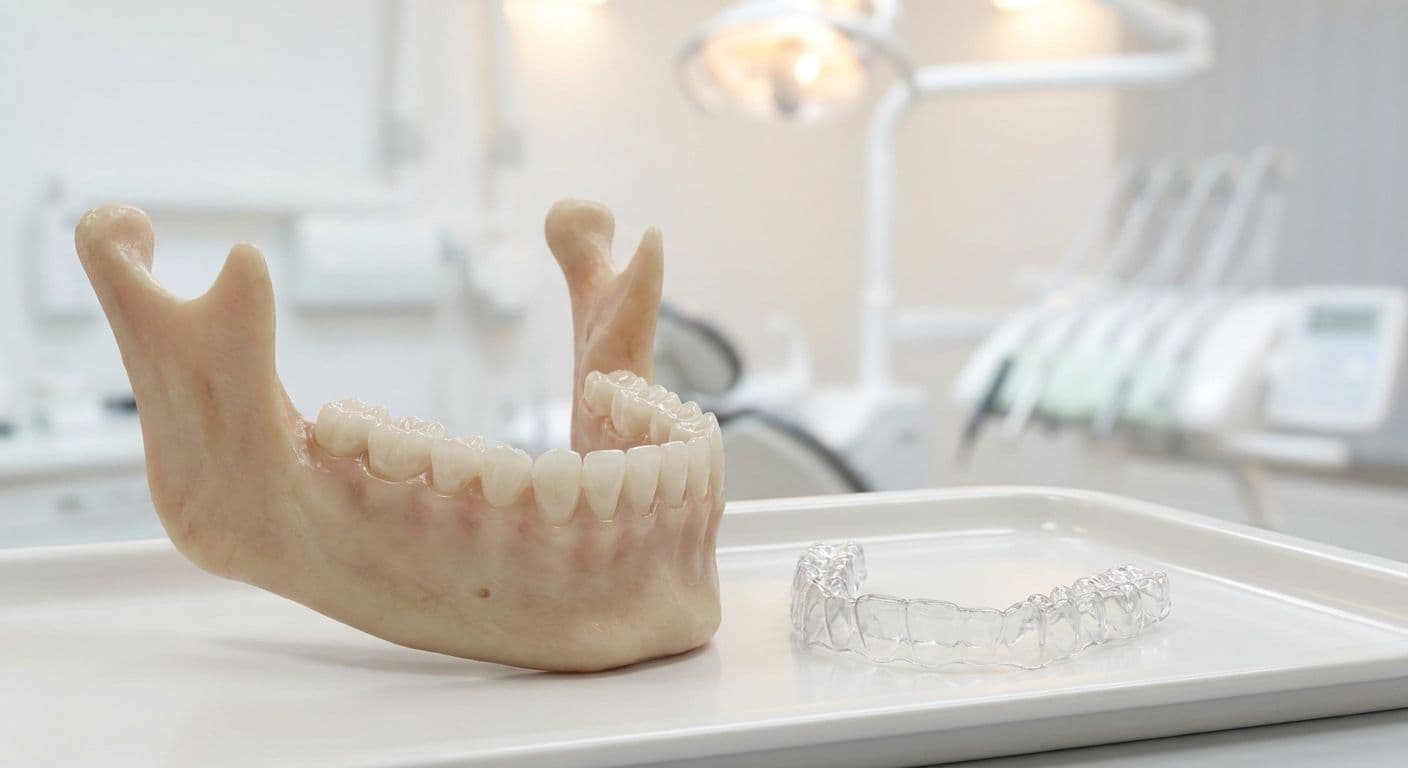
- Moderate Relapse: This is often treated using a short course of clear aligners, which work highly efficiently to realign the teeth within a few months discreetly.
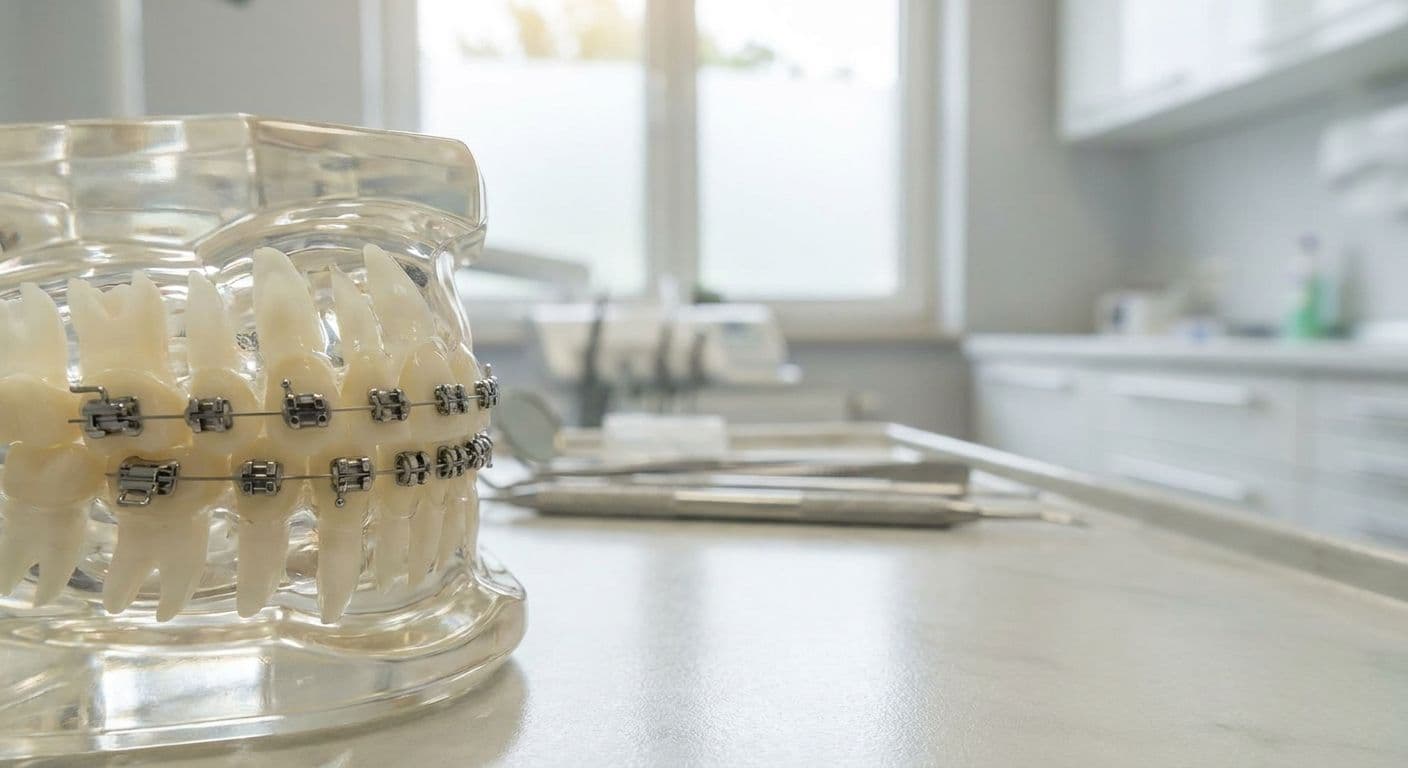
- Severe Relapse: In cases where teeth have significantly reverted to their original positions, a comprehensive course of traditional orthodontics may be required to correct the bite and dental arch once again.
Tips to Protect Your Smile from Future Relapse
- Make Your Retainer a Permanent Part of Your Routine: Consider retainer wear a lifelong commitment, especially during sleep, to preserve your final results permanently.
- Schedule Regular Dental Checkups: Routine dental examinations help detect minor shifts early before they worsen.
- Replace a Damaged Retainer Immediately: If your retainer breaks or is lost, do not delay—request a replacement from your doctor as soon as possible to prevent rapid tooth movement.
Monitoring changes in your smile and intervening early ensures you can restore your aesthetic and oral health results with minimal effort and expense.

Author
diva dent clinics





Your first step towards a healthier smile
Book your appointment with the Diva Dent Clinics team and enjoy specialist care with a treatment plan tailored to your needs in a comfortable, refined setting.
- Specialist team
- Flexible appointments
- Personalized care