


Articles for your dental health


Wisdom Tooth Extraction: Your Guide to Fast Recovery
Facing wisdom tooth extraction? Learn about the procedure, from anesthesia to surgery, and get top tips for a speedy, complication-free recovery.
Share via:



The Ultimate Guide to Wisdom Tooth Extraction: From Preparation to Full Recovery
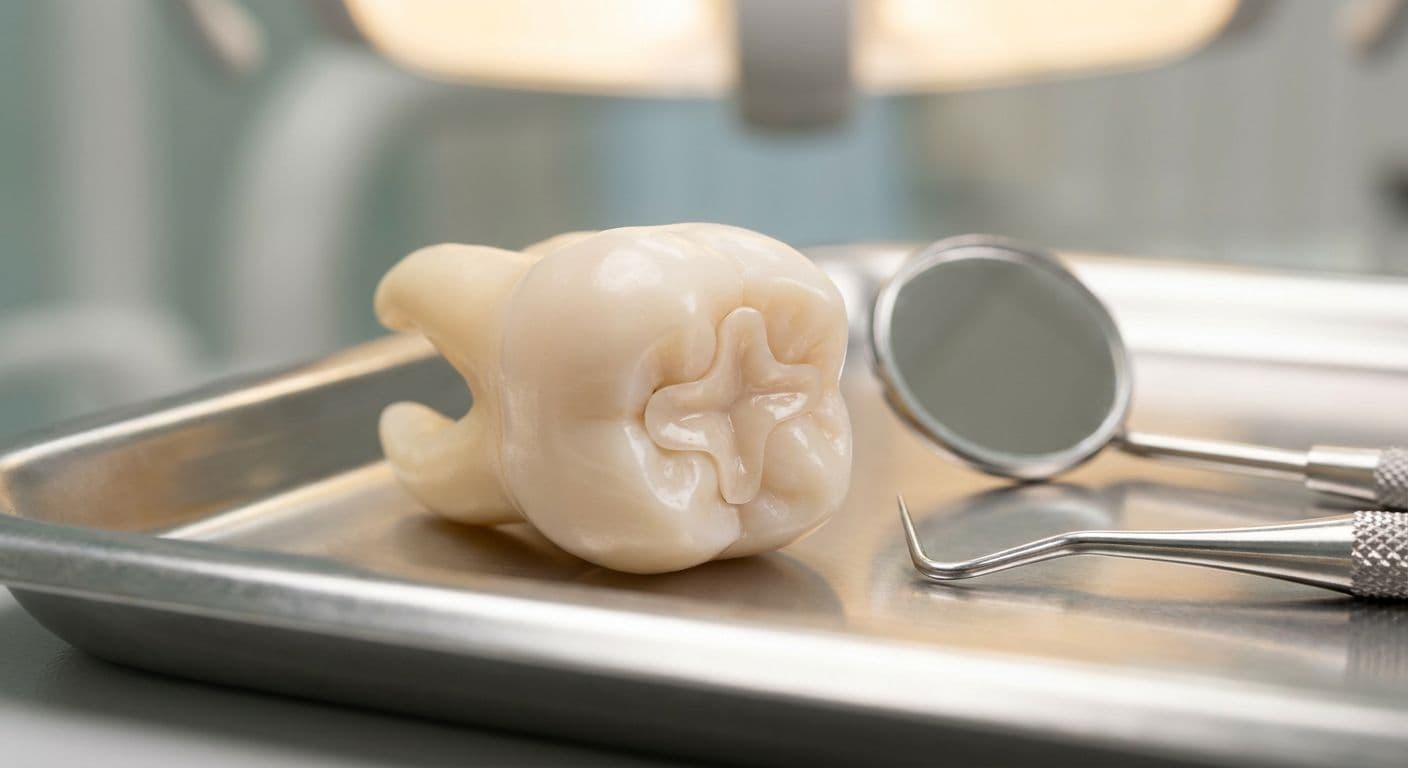
Wisdom tooth extraction is one of the most common surgical procedures in dentistry. For many, wisdom teeth, also known as third molars, represent a potential problem that can emerge in the late teens or early twenties. If your dentist has recommended this procedure, it's natural to feel some anxiety. This comprehensive guide aims to provide you with all the information you need to understand the process, from the reasons for extraction to how to ensure a quick and comfortable recovery.
When is Wisdom Tooth Extraction Necessary?
Not all wisdom teeth need to be removed. However, in many cases, the jaw doesn't have enough space for them to grow in properly, leading to various problems. Dentists recommend wisdom tooth extraction in the following situations:
- Impacted Wisdom Teeth: When a tooth remains fully or partially trapped within the jawbone or under the gum, it can cause pain or lead to the formation of a cyst.
- Infection and Inflammation: Partially erupted teeth can cause inflammation of the surrounding gum tissue (a condition called pericoronitis), leading to pain, swelling, and bad breath.
- Damage to Adjacent Teeth: A wisdom tooth might grow at an incorrect angle, pushing against the neighboring molar. This pressure can cause damage, decay, or overcrowding of other teeth.
- Prevention of Future Problems: Even if your wisdom teeth aren't causing current issues, your dentist might recommend extraction as a preventive measure. The procedure is often easier and recovery is faster at a younger age, which helps avoid potential complications down the line.
Preparing for Your Wisdom Tooth Extraction
Good preparation is key to a successful procedure and a smooth recovery. The process begins with a consultation with your oral surgeon or dentist, who will perform the following steps:
- Examination and X-rays: Your dentist will take X-rays, often a panoramic one, to evaluate the position, angle, and condition of your wisdom teeth and their relationship with adjacent teeth and nerves.
- Discussing Anesthesia: Your doctor will explain the available anesthesia options. These range from local anesthesia (which numbs only the extraction area), IV sedation (which puts you in a state of deep relaxation), to general anesthesia (which makes you completely asleep).
- Pre-Surgery Instructions: You'll receive specific instructions to follow before the procedure. For example, you may need to fast from food and drink for several hours before surgery if you're undergoing IV sedation or general anesthesia.
What to Expect During the Procedure
A wisdom tooth extraction procedure typically takes between 45 to 60 minutes. After the chosen anesthesia is administered, you won't feel any pain. The surgeon will make a small incision in your gum to access the tooth and the surrounding bone. They may need to remove a small amount of bone or section the tooth into smaller pieces to make it easier to remove. After the tooth is out, the area is thoroughly cleaned, and the wound may be closed with dissolvable stitches.
The Recovery Period: Tips for a Speedy Recovery
The first few days after surgery are the most critical for healing. Follow these tips to ensure a quick recovery and minimize the risk of complications:
- Manage Pain and Swelling: Apply an ice pack to your cheek for 15-20 minutes at a time during the first 24 hours to reduce swelling. Take any pain medication prescribed by your doctor as directed.
- Adjust Your Diet: Stick to soft and liquid foods for the first few days. Good options include yogurt, cool soups, smoothies, and mashed potatoes. Avoid hard, spicy, or chewy foods that could irritate the wound.
- Practice Gentle Oral Hygiene: Do not spit, rinse your mouth forcefully, or drink through a straw for the first 24 hours. After the first day, you can begin gently rinsing with warm salt water several times a day, especially after eating.
- Avoid Certain Habits: Completely refrain from smoking. The chemicals in tobacco can slow healing, and the sucking motion can dislodge the blood clot that forms in the socket, causing a painful condition known as "dry socket."
- Get Plenty of Rest: Avoid strenuous physical activity for at least a week. Allowing your body to rest is crucial for a proper and speedy healing process.
Wisdom tooth extraction is a routine and safe procedure. By carefully following your dentist's instructions and taking good care of yourself after the surgery, you can navigate this experience with ease and get back to your normal life in a short amount of time.

Author
diva dent clinics






Your first step towards a healthier smile
Book your appointment with the Diva Dent Clinics team and enjoy specialist care with a treatment plan tailored to your needs in a comfortable, refined setting.
- Specialist team
- Flexible appointments
- Personalized care