

Articles for your dental health


Safe Arabic Sweets: A Guide to Preventing Tooth Decay
Enjoy Arabic sweets safely. Get simple, effective tips to protect teeth from decay and cavities. A guide for a lasting smile.
Share via:



Enjoying Arabic Sweets Safely: Your Guide to Preventing Tooth Decay
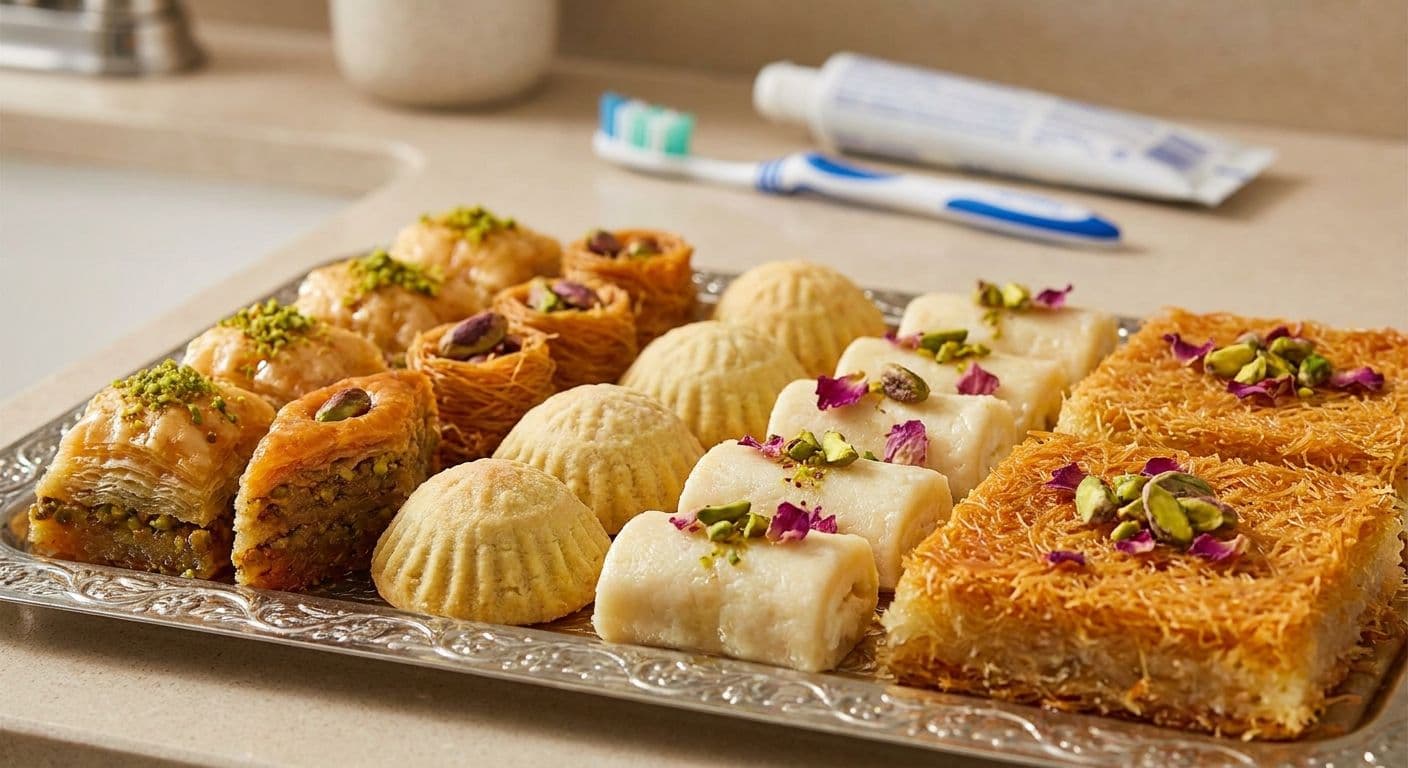
Introduction: Arabic sweets are an integral part of our culture and traditions, accompanying our joys and occasions, and adding a touch of delight to our tables. From delicious baklava to rich kunafa, passing through harissa and namoura, their charm is hard to resist. However, overindulgence in these delicious treats can pose a significant risk to our dental health, especially tooth decay. So, how can we enjoy these wonderful flavors without sacrificing a healthy smile? This guide will provide you with practical tips for preventing tooth decay and maintaining your oral health.
Why Do Arabic Sweets Pose a Risk to Your Teeth?
The main danger lies in the high sugar content of most Arabic sweets. Bacteria in the mouth feed on these sugars and produce acids that attack the protective enamel layer of the teeth, leading to erosion and the formation of cavities. Additionally, many of these sweets have a sticky texture that makes them adhere to teeth for long periods, increasing the time teeth are exposed to harmful acids.
Effective Strategies for Preventing Tooth Decay
To enjoy your favorite sweets without worry, follow these guidelines:
1. Moderation and Smart Timing
- Quantity: Consume small, moderate amounts. Remember that a little is enough to satisfy your sugar craving.
- Timing: It is preferable to eat sweets as part of a main meal rather than as a snack between meals. When you eat, saliva production increases, which helps wash away food particles and neutralize acids.
2. Uncompromising Oral Hygiene Routine
- Regular Brushing: Brush your teeth at least twice a day, preferably after every meal or immediately after eating sweets (wait 30 minutes after eating to avoid enamel erosion if your teeth are sensitive to acids). Use fluoride toothpaste.
- Flossing: Don't forget to floss daily to remove food debris and plaque from between teeth and below the gum line, areas that are difficult for a toothbrush to reach.
3. Rinse Your Mouth with Water
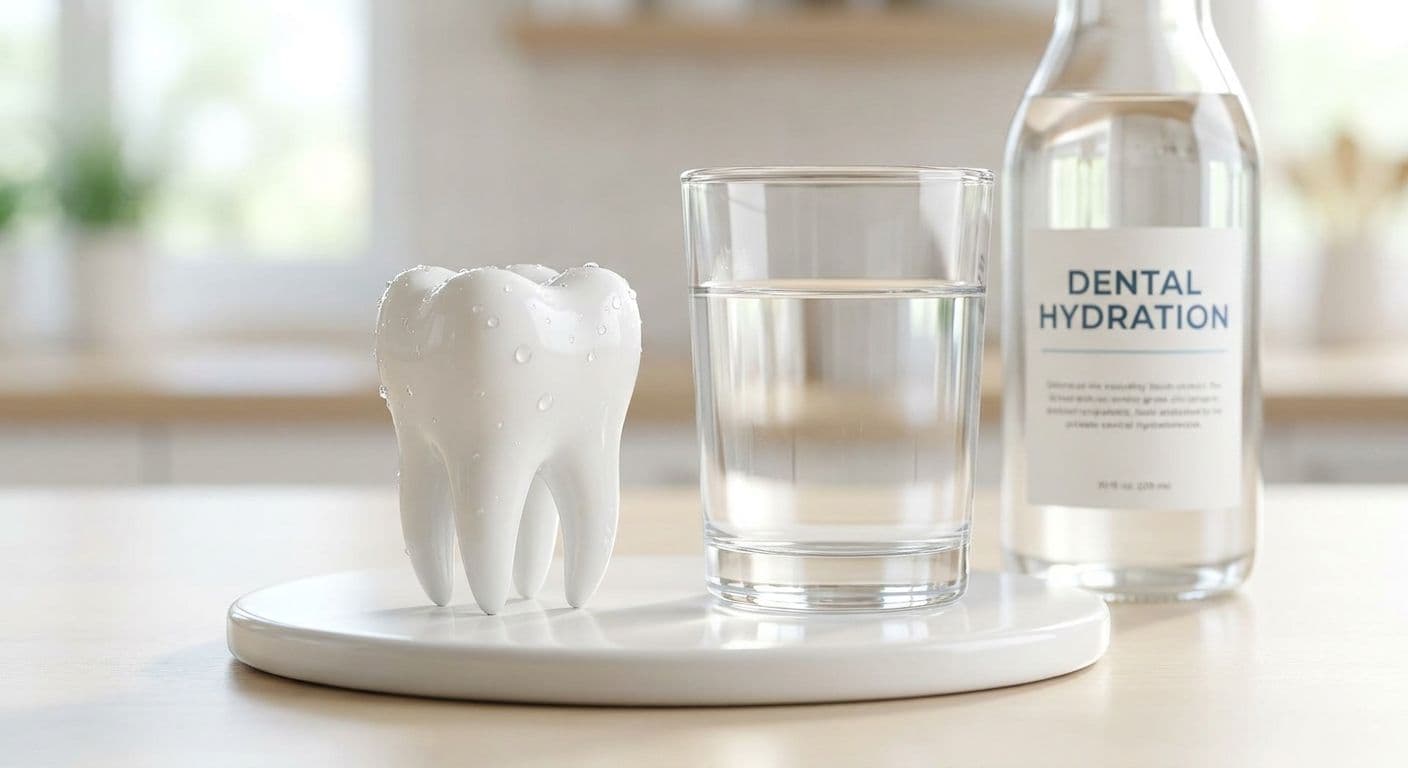
After eating sweets, if you cannot brush your teeth, rinse your mouth thoroughly with water. This helps remove some sugar and food particles and reduces the concentration of acids in the mouth. You can also use a fluoride mouthwash to enhance protection.
4. Choose Healthy Alternatives (If Possible)
While it's difficult to replace traditional Arabic sweets, you can look for options with less sugar or prepare them at home to control the sugar amount. Fresh fruits are an excellent and natural alternative to sweets, providing natural sugar and fiber.
5. Fluoride: Your Teeth's Protective Shield
Fluoride is an essential mineral that strengthens tooth enamel and makes it more resistant to acid attacks. Ensure your toothpaste contains fluoride, and consult your dentist about topical fluoride treatments or supplements if you are at high risk for tooth decay.
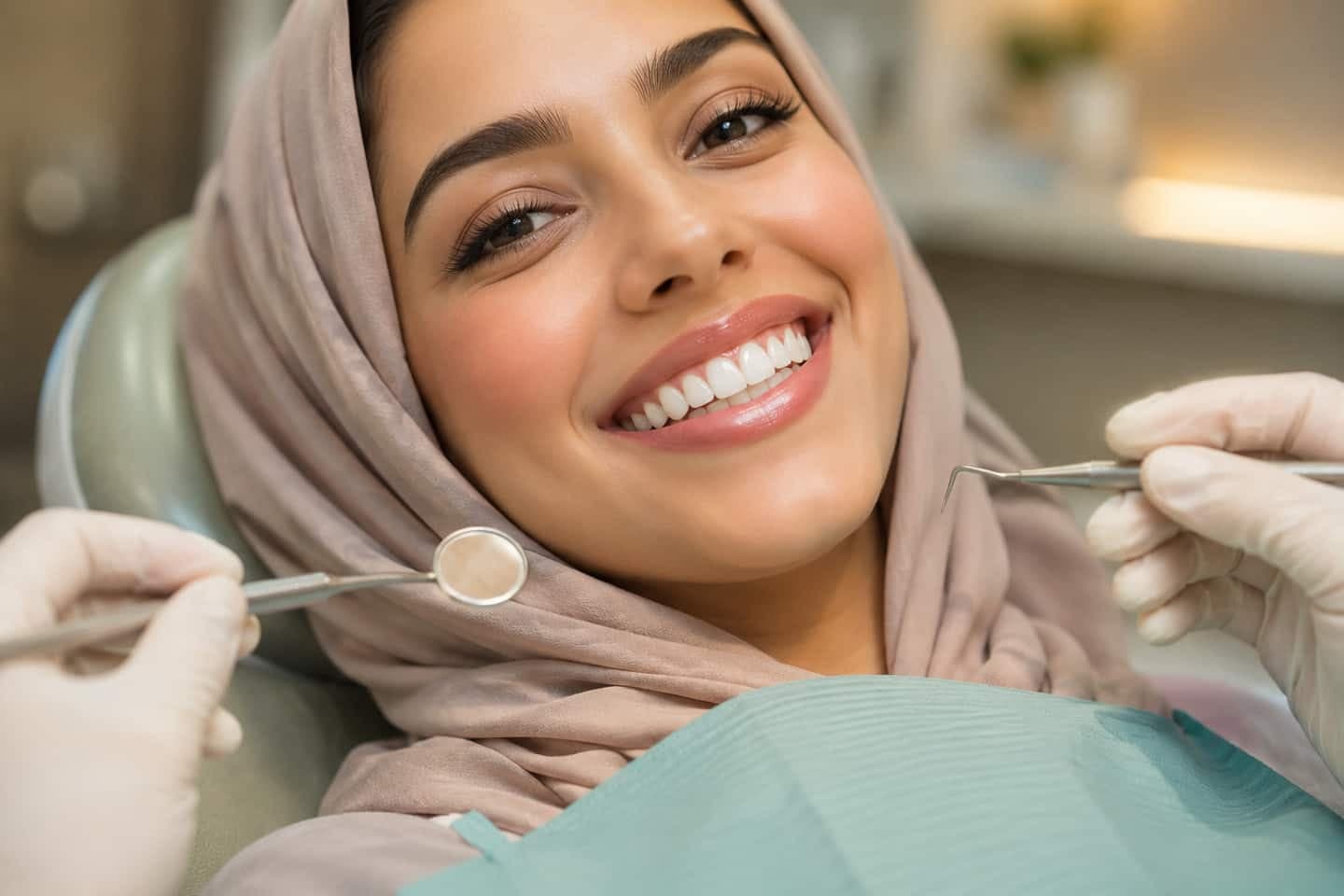
6. Regular Dental Visits
Do not underestimate the importance of regular check-ups and professional dental cleanings. Your dentist can detect any early signs of decay and provide necessary treatment before the problem worsens. They can also offer personalized tips for preventing tooth decay based on your health condition.
Conclusion: Enjoying Arabic sweets is not something to give up, but rather an art that can be mastered by balancing pleasure and care. By following these simple guidelines, you can enjoy every bite of your favorite sweets while maintaining a bright, healthy, cavity-free smile. Always remember that your oral health is an integral part of your overall health.
Author
diva dent clinics
Related Posts
Bottled Water and Your Dental Health: Do You Need Extra Fluoride?
Read More
Water Flosser vs. Traditional Floss: Which to Choose?
Read More
What is Digital Smile Design? Technology Revolution in Cosmetic Dentistry
Read More
Dental Veneers or Bonding: The Perfect Hollywood Smile?
Read More




Your first step towards a healthier smile
Book your appointment with the Diva Dent Clinics team and enjoy specialist care with a treatment plan tailored to your needs in a comfortable, refined setting.
- Specialist team
- Flexible appointments
- Personalized care