


Articles for your dental health


Orthognathic Surgery: When Braces Aren't Enough
Struggling with jaw problems that braces alone can't fix? Your complete guide to orthognathic jaw surgery, when you need it, and how it can improve your life.
Share via:


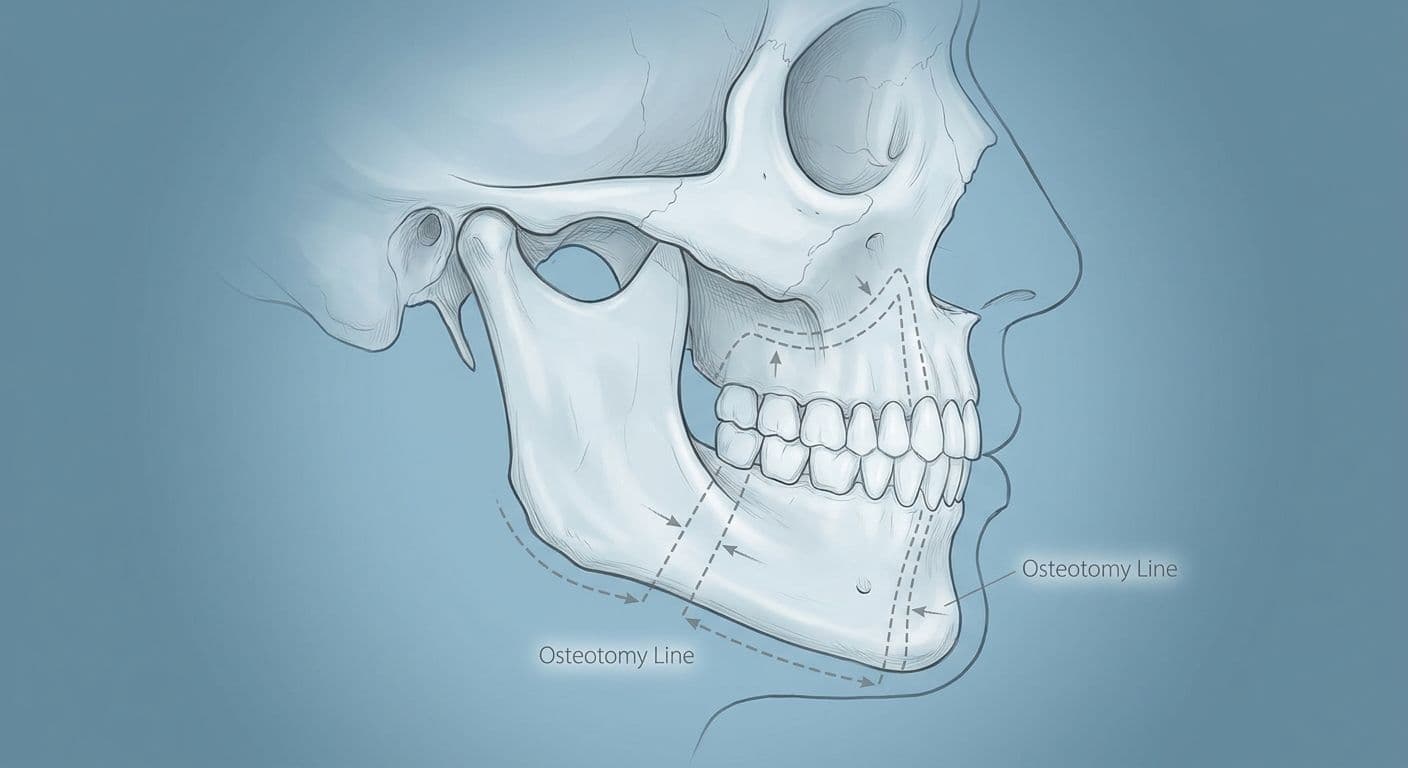

A Comprehensive Guide to Orthognathic Jaw Surgery: When Braces Aren't Enough
Many people dream of a perfect smile with beautifully aligned teeth, and braces are often the first solution that comes to mind. But what if the problem lies deeper than just crooked teeth? In some cases, the root cause is a misalignment of the jawbones themselves. This is where orthognathic jaw surgery comes in as an effective solution to correct these complex issues.
If you've heard of this term or if your doctor has recommended it, this comprehensive guide will answer your most important questions about this potentially life-changing procedure.
What is Orthognathic Jaw Surgery?
Orthognathic surgery, also known as corrective jaw surgery, is a procedure designed to correct structural abnormalities in the jaw and facial bones. It is recommended when orthodontic treatment (braces) alone cannot resolve severe bite problems or facial imbalances caused by the position of the jaws.
This surgery requires close collaboration between an orthodontist and an oral and maxillofacial surgeon. The team works together to create an integrated treatment plan that ensures the teeth and jaws are properly aligned, improving both oral function and facial aesthetics.
Who is an Ideal Candidate for This Surgery?
You may be a candidate for orthognathic jaw surgery if you experience one or more of the following issues:
- Difficulty chewing, biting, or swallowing: When teeth don't fit together correctly, the simplest oral functions become a challenge.
- Chronic jaw or TMJ (temporomandibular joint) pain: Jaw misalignment can lead to strain on the surrounding joints and muscles.
- A significantly protruding or receding jaw: This can affect the harmony of your facial features.
- Bite problems: Including an open bite (a gap between the front teeth when the mouth is closed), crossbite, or underbite.
- Breathing problems during sleep: Such as obstructive sleep apnea, where a recessed jaw can block the airway.
- Facial asymmetry from the front or side.
The Treatment Journey Step-by-Step
The journey of orthognathic jaw surgery typically involves several key stages:
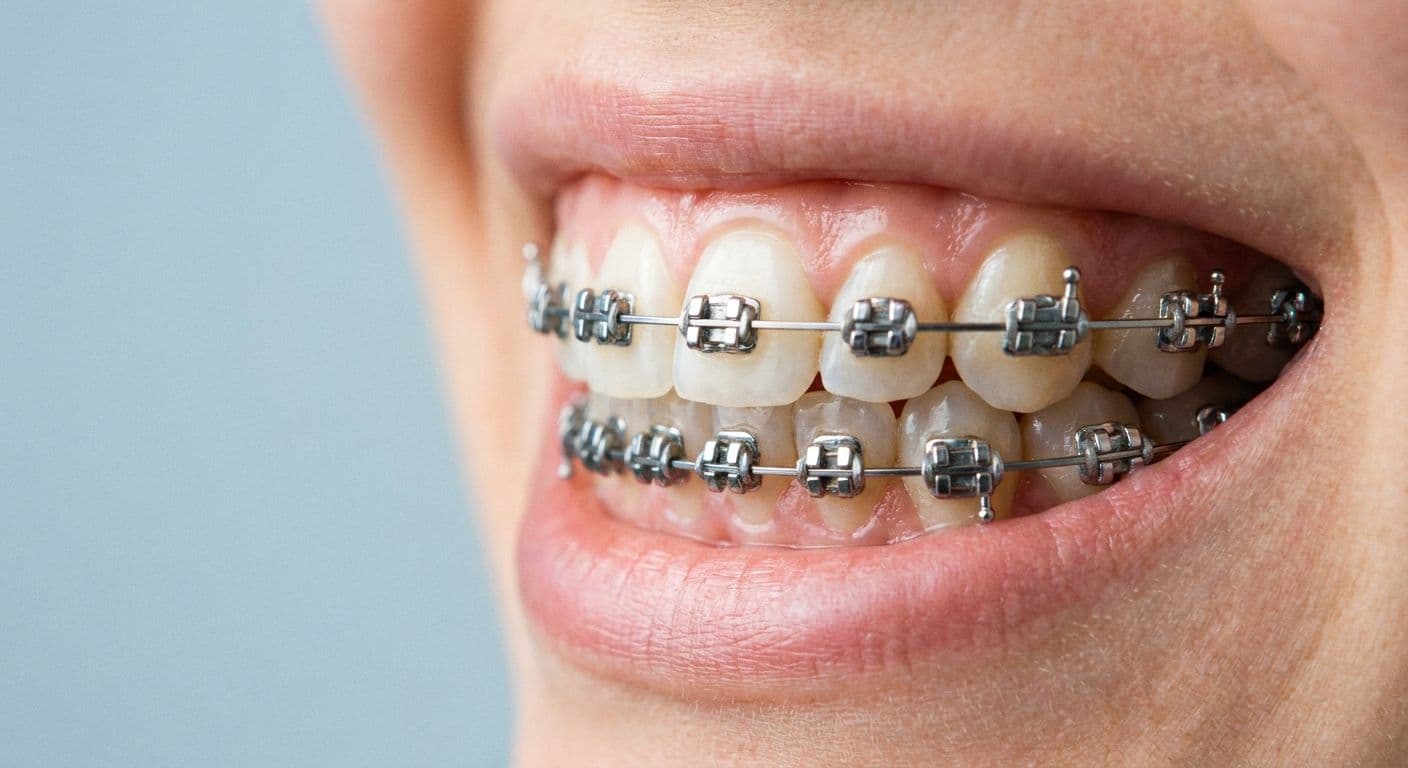
- Pre-Surgical Orthodontics: Braces are fitted for a period of 9 to 18 months. The goal here is to perfectly align the teeth within each jaw in preparation for their correct placement during surgery.
- The Surgical Procedure: The operation is performed in a hospital under general anesthesia. The surgeon repositions the jawbones according to the treatment plan, securing them in their new position with tiny plates and screws.
- The Recovery Period: The first few weeks after surgery require a liquid diet and rest. Swelling gradually subsides over the following weeks, and the full bone healing process takes several months.
- Post-Surgical Orthodontics: After an initial healing period, the orthodontist will make fine-tuning adjustments to the braces to perfect the final bite. This stage usually lasts for a few months.
Benefits Beyond a Beautiful Smile
While an improved appearance is a noticeable outcome, the benefits of orthognathic jaw surgery extend much further:
- Improved Oral Function: Chewing and speaking become easier and more efficient.
- Pain Relief: Eliminates chronic pain associated with TMJ disorders.
- Better Breathing: It can be a highly effective solution for jaw-related breathing issues, especially sleep apnea.
- Boosted Self-Confidence: Achieving a balanced facial profile and a healthy smile can significantly improve self-image.
If you believe you could benefit from this procedure, the first step is to consult with a qualified orthodontist and an oral and maxillofacial surgeon. They can accurately assess your condition and determine if orthognathic jaw surgery is the optimal solution for you to achieve lasting oral health and aesthetics.

Author
diva dent clinics








Your first step towards a healthier smile
Book your appointment with the Diva Dent Clinics team and enjoy specialist care with a treatment plan tailored to your needs in a comfortable, refined setting.
- Specialist team
- Flexible appointments
- Personalized care