

Articles for your dental health


To Rinse or Not to Rinse? A Complete Guide to Choosing and Using Mouthwash Correctly
Discover everything you need to know about mouthwash, from how to choose it to the correct way to use it, and whether you should rinse with water afterward, to
Share via:



To Rinse or Not to Rinse? Your Complete Guide to Choosing and Using Mouthwash Correctly
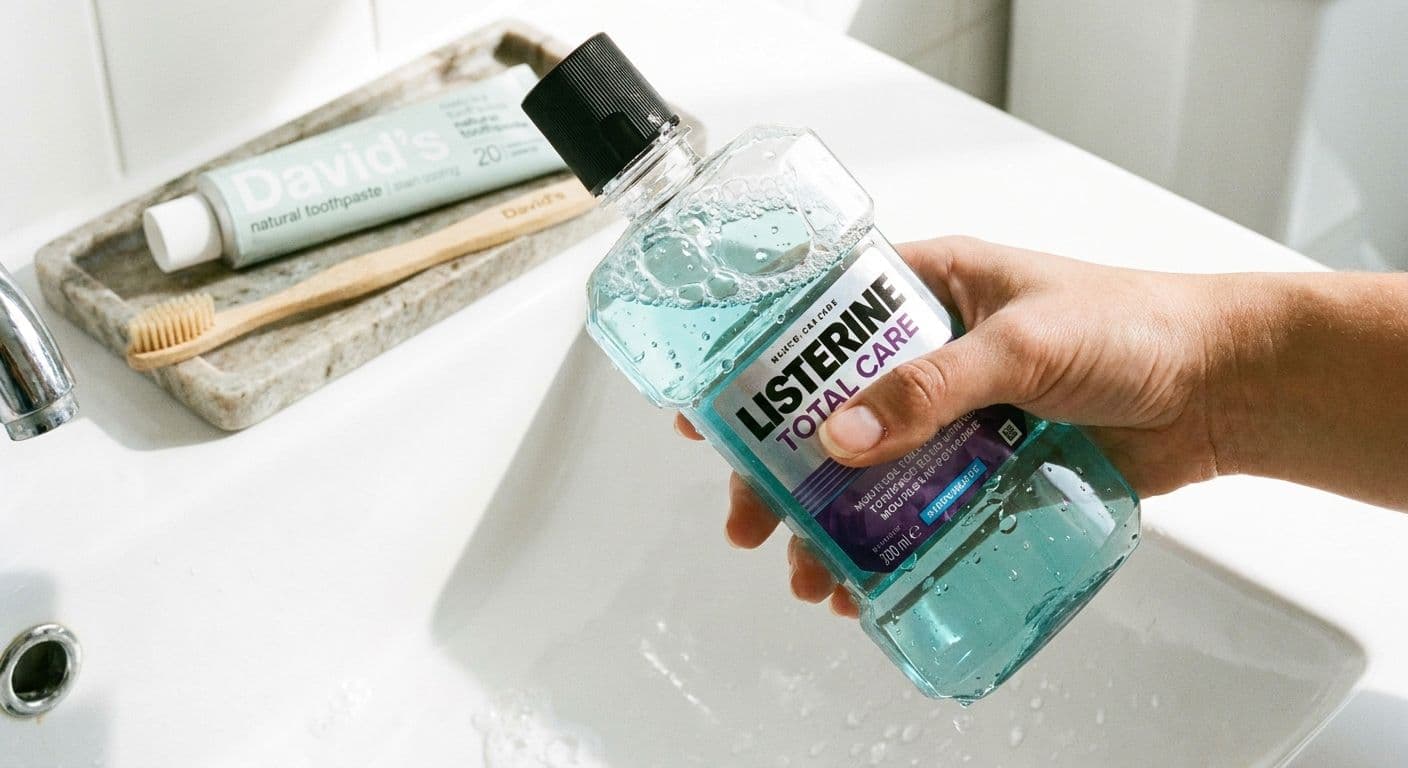
Mouthwash is a common addition to many people's oral hygiene routines, but have you ever wondered about how to use mouthwash in the optimal way? And is it really necessary? Many people are confused about choosing the right type and the correct timing for its use. In this comprehensive guide, we will dive into the world of mouthwashes, from their types and benefits to the correct way to use them, to ensure you get the maximum benefit and maintain your oral and dental health.
Why Do We Use Mouthwash? (Benefits of Mouthwash)
Mouthwash is not just a breath freshener; it can offer a range of health benefits when used correctly:
- Freshens Breath: Eliminates bacteria that cause bad breath, giving you long-lasting fresh breath.
- Fights Bacteria: Some types contain antiseptic ingredients that help reduce the number of harmful bacteria in the mouth.
- Prevents Cavities: Mouthwashes containing fluoride strengthen tooth enamel and make it more resistant to decay.
- Reduces Plaque Buildup and Gingivitis: Active ingredients in some mouthwashes help reduce plaque buildup and alleviate gum inflammation.
- Cleans Hard-to-Reach Areas: Mouthwash can reach areas that a toothbrush or dental floss might not easily reach.
Types of Mouthwash: Choose What Suits You
There are many types of mouthwashes, each with its own purpose:
- Cosmetic Mouthwashes: Primarily focus on freshening breath and temporarily masking bad odors. They typically do not contain active therapeutic ingredients.
- Therapeutic Mouthwashes: Contain active ingredients that target specific health problems:
- Fluoride Mouthwashes: Contain fluoride to strengthen tooth enamel and prevent cavities.
- Antiseptic (Antibacterial) Mouthwashes: Contain ingredients like chlorhexidine or essential oils to kill bacteria and reduce plaque and gingivitis. Dentists often prescribe them for specific conditions.
- Mouthwashes for Sensitive Teeth: Contain ingredients that help seal microscopic channels in the teeth to reduce pain caused by sensitivity.
- Natural Mouthwashes: Rely on naturally derived ingredients such as mint, eucalyptus, or aloe vera.
How to Use Mouthwash Correctly: Step-by-Step
To get the most out of mouthwash, follow these steps:
- Brush and Floss Your Teeth First: Mouthwash is not a substitute for mechanical cleaning. Brush for two minutes, then floss to remove food particles and plaque.
- Measure the Correct Amount: Follow the instructions on the package. The amount is usually about 10-20 ml (two teaspoons to one tablespoon). Do not use more than necessary.
- Rinse with the Specified Amount: Put the mouthwash in your mouth and rinse vigorously for 30 seconds to one minute, making sure it reaches all parts of your mouth.
- Spit Out the Mouthwash: Never swallow mouthwash, as it may contain harmful ingredients if ingested.
- Avoid Rinsing with Water or Eating/Drinking Immediately: To allow the active ingredients to work, it is preferable not to rinse your mouth with water or eat and drink for 30 minutes after using mouthwash.
- Regular Use: Use it once or twice daily as directed by your dentist or product instructions.
Common Mistakes to Avoid When Using Mouthwash
Avoid these mistakes to ensure the effectiveness and safety of your mouthwash:
- Swallowing Mouthwash: Swallowing mouthwash, especially types containing alcohol or high concentrations of fluoride, can lead to health problems.
- Using it as a Substitute for Brushing and Flossing: Mouthwash is a supplement, not a replacement. Mechanical cleaning is fundamental.
- Rinsing with Water Immediately After Fluoride Mouthwash: This reduces the effectiveness of fluoride in strengthening teeth.
- Using Excessive Amounts: The recommended amount is sufficient, and more does not mean greater effectiveness.
- Not Reading Instructions: Each type of mouthwash may have specific usage instructions.
When to Consult a Dentist?
If you suffer from specific oral health problems such as severe gingivitis, frequent cavities, or extreme sensitivity, it is best to consult a dentist before choosing a mouthwash. The dentist can recommend the most suitable type for your condition and provide you with customized guidance on how to use mouthwash effectively as part of a comprehensive treatment plan.
Conclusion:
Mouthwash can be a powerful ally in your oral health care routine, provided it is chosen and used correctly. Always remember that it is a supplement to brushing and flossing, not a replacement. By following the guidelines mentioned above, you can enjoy the benefits of mouthwash and maintain a healthy, fresh smile. Do not hesitate to consult your dentist for personalized advice tailored to your oral needs.

Author
diva dent clinics






Your first step towards a healthier smile
Book your appointment with the Diva Dent Clinics team and enjoy specialist care with a treatment plan tailored to your needs in a comfortable, refined setting.
- Specialist team
- Flexible appointments
- Personalized care