

Articles for your dental health


Charcoal Toothpaste Truth: Whitening and Safety?
Does charcoal toothpaste truly whiten teeth? How safe is it? Discover the truth behind this popular product, its effectiveness, and potential risks to your oral
Share via:


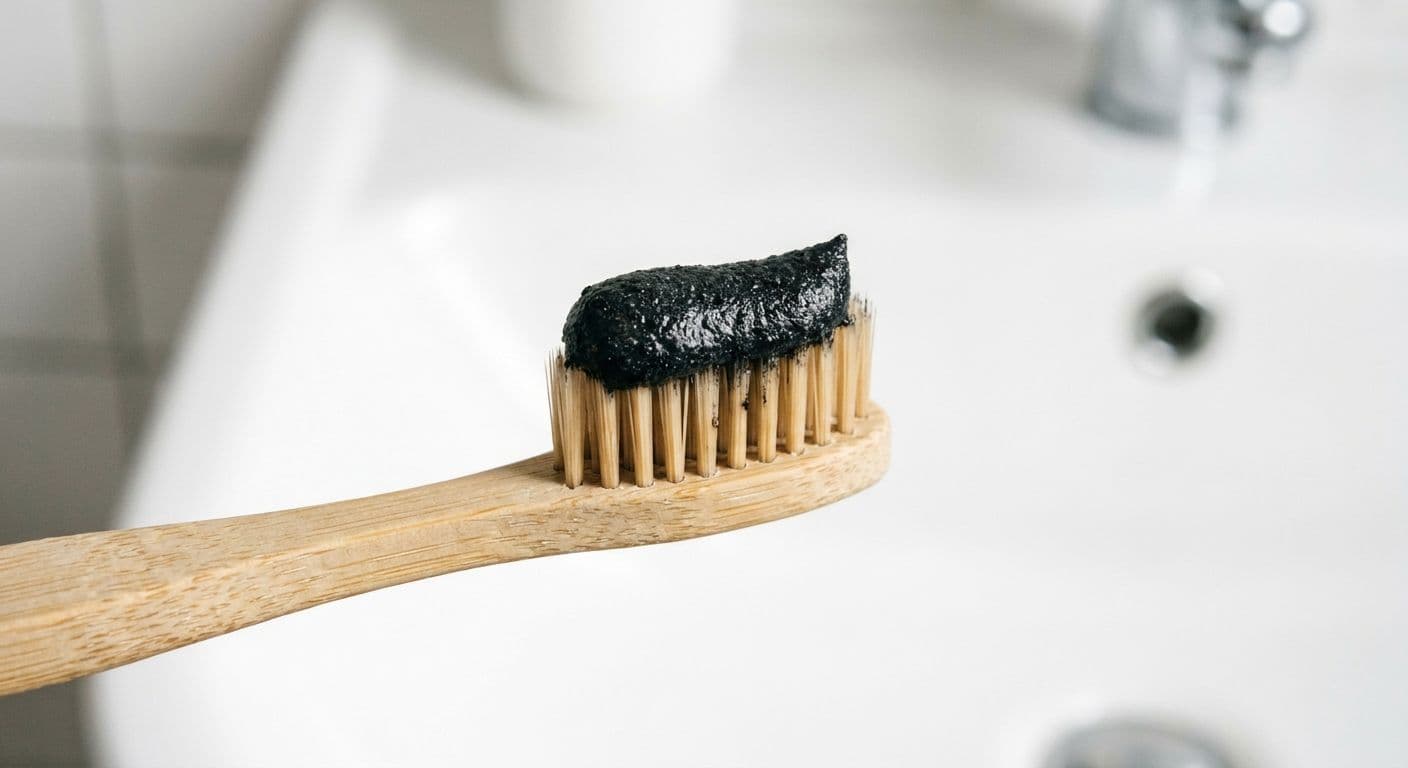

The Truth About Charcoal Toothpaste for Teeth Whitening: Is It Really Effective and Safe?
In recent years, charcoal toothpaste has gained immense popularity as a natural and quick solution for teeth whitening. Pictures and videos showing sparkling white teeth after its use have spread, making it a focal point for many seeking a bright smile. However, amidst this marketing hype, important questions arise: Does charcoal toothpaste really whiten teeth? And is it safe for long-term use? In this article, we will delve into the scientific facts behind this product to uncover its effectiveness and safety.
How Charcoal Toothpaste Works (Theoretically)
Charcoal toothpaste's mechanism relies on the use of activated charcoal, a highly porous material known for its ability to absorb toxins and chemicals. It is believed that this porosity allows charcoal to adhere to surface stains on teeth, such as those caused by coffee, tea, tobacco, and certain foods, thereby removing them when the mouth is rinsed. The idea here is not chemical whitening that changes the internal color of the tooth, but rather a process of removing external stains that may make teeth appear darker.
Does Charcoal Toothpaste Really Whiten Teeth?
The short answer is: Yes, but it is very limited. Charcoal toothpaste can help remove some light surface stains, which may give the impression that teeth have become lighter. However, it is very important to understand that charcoal toothpaste does not have the ability to whiten teeth from the inside or change the natural color of the tooth's enamel or dentin. True whitening requires chemical agents such as hydrogen peroxide or carbamide peroxide, which penetrate the tooth layers to lighten the original color.
Most claims about the effectiveness of charcoal toothpaste in whitening lack strong scientific support. Available studies are few and often have weak methodologies, and there is insufficient evidence to prove that it is more effective than regular toothpaste in removing stains, let alone deep whitening.
Is Charcoal Toothpaste Safe to Use?
Here lie the real concerns about charcoal toothpaste. Despite being "natural," activated charcoal is an abrasive material. Frequent and excessive use can lead to several problems:
- Enamel erosion: Enamel is the outer protective layer of the teeth. As charcoal is an abrasive material, regularly scrubbing teeth with it can gradually erode this layer. Once enamel is eroded, it cannot be restored, making teeth more sensitive, more prone to decay, and they may appear yellower because the inner dentin layer (which is naturally yellow) will become more visible.
- Gum irritation: The coarse particles of charcoal can cause gum irritation, leading to redness or bleeding.
- Lack of fluoride: Most types of charcoal toothpaste do not contain fluoride, which is the essential ingredient in traditional toothpastes scientifically proven to strengthen enamel and protect teeth from decay. Relying solely on charcoal toothpaste means depriving your teeth of this vital protection.
- Staining of dental fillings: Charcoal can stain or discolor white fillings (composite resin) or porcelain crowns, affecting their aesthetic appearance.
- Unknown long-term effects: There are not enough studies on the long-term effects of using charcoal toothpaste on oral and dental health.
What Do Dentists Say?
Generally, most dentists do not recommend relying on charcoal toothpaste as a primary solution for teeth whitening or as a substitute for traditional toothpaste. They warn of the potential risks of enamel erosion and the absence of fluoride. They prefer products that contain fluoride and have been clinically tested and proven effective and safe in maintaining dental health.
Safe and Effective Alternatives for Teeth Whitening
If you are looking for a whiter smile, there are safer and more effective alternatives:
- Whitening toothpastes: Contain mild abrasives or chemicals (such as low concentrations of hydrogen peroxide) designed to safely remove surface stains.
- Whitening strips: Contain hydrogen peroxide and provide effective teeth whitening.
- Professional whitening sessions at the dental clinic: This is the most effective and safest way to whiten teeth under the supervision of a dentist.
- Maintaining good oral hygiene: Brushing teeth twice daily with fluoride, flossing, and regular visits to the dentist to remove tartar and stains.
Conclusion
While charcoal toothpaste may offer a slight improvement in removing surface stains, it does not truly whiten teeth from within and carries potential risks of enamel erosion and gum irritation. Due to the lack of sufficient scientific evidence supporting its long-term effectiveness and safety, and its lack of essential fluoride, it is best to exercise caution. Always consult your dentist before trying any new teeth whitening product to ensure you choose the safest and most effective option for your oral health.

Author
diva dent clinics





Your first step towards a healthier smile
Book your appointment with the Diva Dent Clinics team and enjoy specialist care with a treatment plan tailored to your needs in a comfortable, refined setting.
- Specialist team
- Flexible appointments
- Personalized care