


Articles for your dental health


Bottled Water and Your Dental Health: Do You Need Extra Fluoride?
Does bottled water affect your teeth? Discover the importance of fluoride and the benefits of fluoride treatment to protect your teeth from decay and maintain a
Share via:


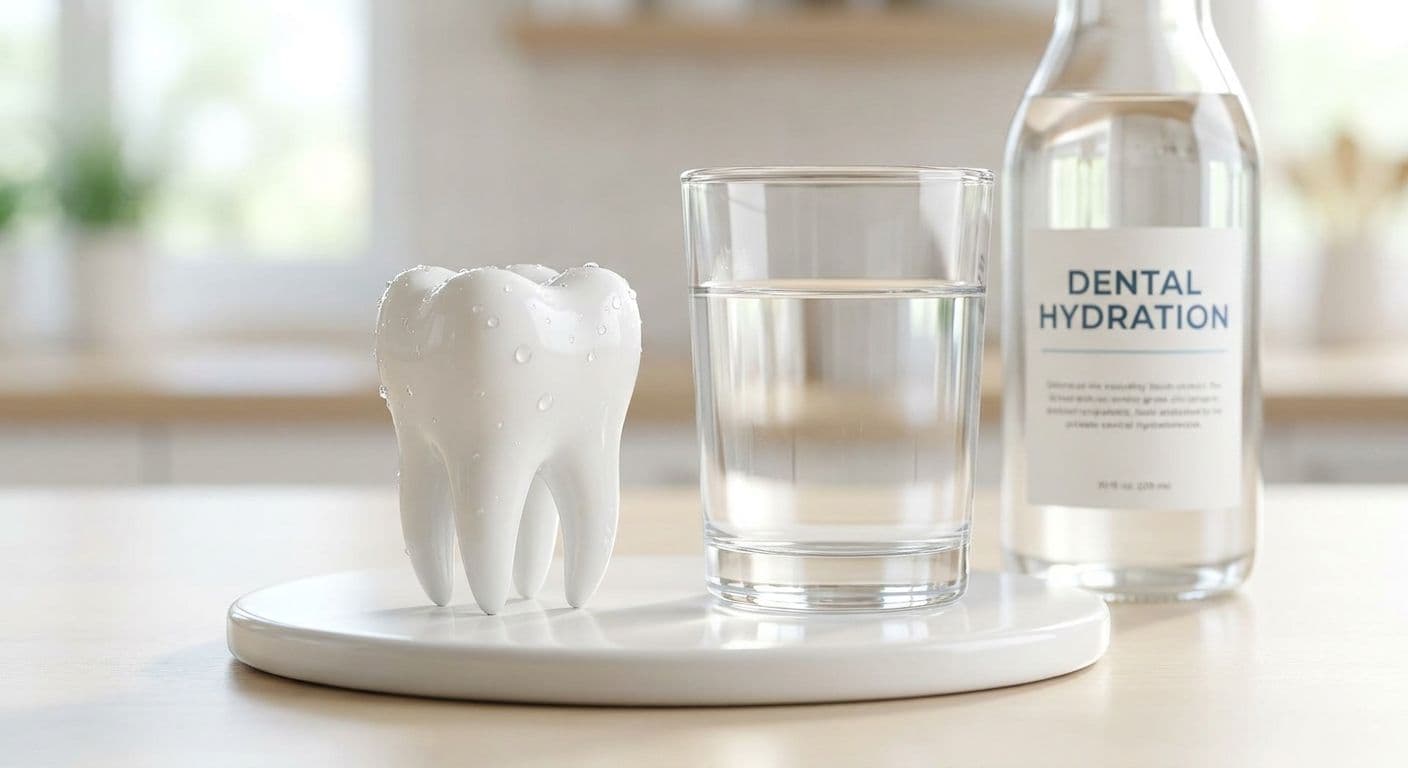

Bottled Drinking Water and Your Dental Health: Do You Need Extra Fluoride to Prevent Cavities?
Dental health is an integral part of overall health, and water plays a vital role in maintaining it. With the increasing reliance on bottled water, many people are asking questions about its effect on teeth, especially regarding its fluoride content. Does bottled water provide sufficient protection against cavities, or do we need additional sources of fluoride? Let's explore this important topic.
The Role of Fluoride in Protecting Your Teeth
Fluoride is a natural mineral that plays a pivotal role in strengthening tooth enamel, the protective outer layer of the tooth. Fluoride works in two main ways:
- Enamel Remineralization: Fluoride helps rebuild minerals lost from tooth enamel due to acids produced by bacteria in the mouth.
- Making Enamel More Resistant: When fluoride is absorbed into the enamel structure during tooth development (in children) or applied topically (in children and adults), it makes it harder and more resistant to acid attacks, thereby significantly reducing the risk of cavities. Understanding this mechanism clarifies why fluoride is considered a cornerstone in preventing tooth decay.
Bottled Water vs. Tap Water: Where is the Fluoride?
Fluoride levels vary significantly between tap water and bottled water. In many countries and regions, tap water is artificially fluoridated, meaning a calculated amount of fluoride is added to it to promote community-wide dental health. This process, known as water fluoridation, is considered one of the most successful public health interventions of the 20th century. In contrast, bottled water rarely contains sufficient levels of fluoride to prevent cavities. Most companies do not add fluoride to their products, and the natural levels found in their source may be very low or non-existent. This means that relying solely on bottled water may deprive you and your family of the protective benefits of fluoride. It is essential to check the bottled water label if you are looking for fluoride content, but remember that the amounts may not be sufficient.
Do You Need Extra Fluoride?
The most important question is: Do you need extra fluoride? The answer depends on several factors:
- Main Drinking Water Source: If you regularly drink fluoridated tap water, you may be getting enough. However, if you rely heavily on bottled water or live in an area where water is not fluoridated, you may need additional sources.
- Your Cavity Risk: People with a history of frequent cavities, those suffering from dry mouth, or those taking medications that affect saliva production, may benefit significantly from additional fluoride.
- Age: Children and adolescents are most susceptible to cavities and particularly benefit from fluoride.
How can you get extra fluoride?
- Fluoride Toothpaste: This is the most common and easiest source of fluoride. Make sure your toothpaste contains fluoride.
- Fluoride Mouthwash: Can be used as a supplement to toothpaste, especially for those prone to cavities.
- Topical Fluoride Treatments: Your dentist can apply higher concentrations of fluoride gel or varnish in the clinic, which provides strong and continuous protection.
Benefits of Fluoride Treatment: Comprehensive Protection for Your Teeth
Fluoride treatments, whether at home or provided by a dentist, are an excellent investment in your oral health. Here are some key benefits of fluoride treatment:
- Effective Cavity Prevention: Fluoride significantly reduces the risk of cavity formation by strengthening tooth enamel.
- Remineralization of Weakened Areas: Fluoride can help repair early signs of decay before they develop into actual cavities.
- Reduced Tooth Sensitivity: Fluoride may help seal the microscopic tubules in dentin, reducing tooth sensitivity to cold or hot.
- Long-term Cost Savings: Preventing cavities is much cheaper than treating them, making fluoride treatments an economical option.
- Suitable for All Ages: Children, adults, and seniors can all benefit from fluoride.
In conclusion, while bottled water is a popular drinking choice, it may not provide sufficient protection against cavities due to its low fluoride content. To ensure your dental health, it is essential to pay attention to other sources of fluoride, such as toothpaste and mouthwash, and consider professional fluoride treatments if recommended by your dentist. Consult your dentist to determine the best strategy for preventing cavities and maintaining a healthy, bright smile.

Author
diva dent clinics
Related Posts
Water Flosser vs. Traditional Floss: Which to Choose?
Read More
What is Digital Smile Design? Technology Revolution in Cosmetic Dentistry
Read More
Dental Veneers or Bonding: The Perfect Hollywood Smile?
Read More
Orthognathic Surgery: When Braces Aren't Enough
Read More




Your first step towards a healthier smile
Book your appointment with the Diva Dent Clinics team and enjoy specialist care with a treatment plan tailored to your needs in a comfortable, refined setting.
- Specialist team
- Flexible appointments
- Personalized care